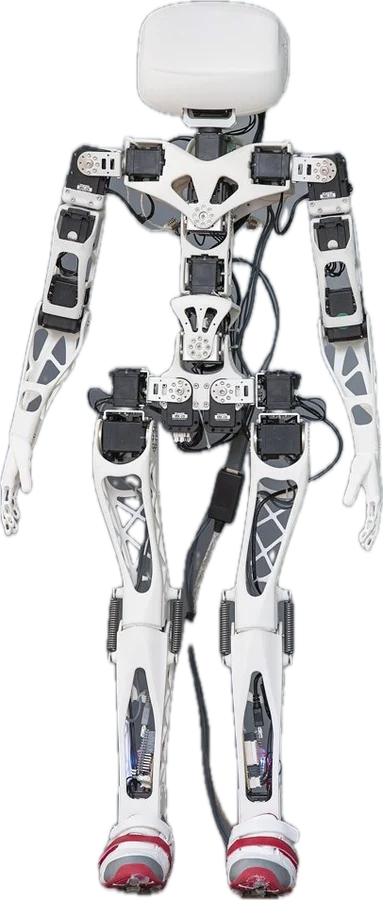
Inria Flowers Laboratory (Poppy Project, now Poppy Station) · research humanoid
Poppy Humanoid
An open-source, 3D-printed humanoid for research and teaching, started in 2012 in Pierre-Yves Oudeyer's Flowers lab at Inria Bordeaux. It is built from 25 Dynamixel servo motors and printed parts, and the project is now run by the non-profit Poppy Station.
- Price
- $8,000Cheaper than 80%
- Height
- —Not published
- Weight
- —Not published
- Payload
- —Not published
- Speed
- —Not published
- Battery
- —Not published
Not sure this is the one? Find the best robot for your job Starts with: research and teaching. Five more quick questions.
Why it matters
A research humanoid from Inria Flowers Laboratory (now Poppy Station).
Real-world use
Research and education labs
Timeline
- Released
- Not yet
Maker
Inria Flowers Laboratory (Poppy Project, now Poppy Station)University lab · founded 2012 (Poppy project) · Bordeaux (Talence), FranceERC grant (Explorer) for the original Poppy work
How it stacks up
Against other humanoids that publish the figure. Pick a measure.
Poppy Humanoid costs less than 80% of the 85 other humanoids that publish a price. Bars show the 7 closest in date.
Not published by the maker: height, weight, speed, payload, joints, battery.
What it has been shown doing
We checked public videos and press for Poppy Humanoid and found no clear demo of the skills we track yet.
Public attention
How much public attention Poppy Humanoid gets, from open data.
- No Wikipedia article of its own yet
- No recent press stories listed yet
Measures how much people read and write about a robot, not how good it is. Measured 2026-10-14; same method for every robot. How it is measured
What’s inside
The parts the company has talked about publicly.
- Hands
- none
- Movement
- Walks on legs
- Chip
- Raspberry Pi 4 (BCM2711) (Raspberry Pi / Broadcom)Open-source humanoid controlled from a Raspberry Pi 3 or 4 running a ready-made image.
- Actuators & motors
- 25 Robotis Dynamixel smart servos; actuators make up about 60% of the parts cost.
- Compute
- Runs on a Raspberry Pi 3 or 4 with a ready-to-flash image; motors can also be driven from a PC via USB2Dynamixel or USB2AX adapters.
- Materials & build
- 3D-printed structure; STL and SolidWorks files published. Hardware under CC BY-SA 4.0.
- AI & software
- Python package installable with pip (poppy-humanoid); software under GPL v3.
- Other details
- Started in 2012 in the Flowers lab at Inria Bordeaux Sud-Ouest as Matthieu Lapeyre's PhD work under Pierre-Yves Oudeyer, with Pierre Rouanet (software) and Jonathan Grizou (electronics); initially funded by an ERC grant to study embodiment in learning. Assembly takes about 7 hours. The Poppy name is a registered trademark.
Named suppliers:ROBOTIS (Dynamixel)Raspberry Pi
From the maker
Poppy Humanoid is the only humanoid from Inria Flowers Laboratory (now Poppy Station) in the atlas.
Watch Poppy Humanoid
Made, sold and where
Unit counts are usually company figures; analysts often disagree.
- Price
- $8,000Open-source design; full build parts cost about USD 8,000-9,000, about 60% of it actuators
- How to get one
- No official buying page found
- Built
- Open-source kit; number of builds not reported
- Sold or delivered
- Open-source design; parts cost about USD 8,000-9,000
- Where it is sold or used
- France (Inria Bordeaux; now hosted by the Poppy Station non-profit)
- Customers and pilots
- Research and education labs
Side by side with its peers
Picked by the same rules for every humanoid: another maker’s robot that moves the same way, is at the same stage and does at least one of the same main jobs, first shown within two years. Closer size and price rank higher. How we choose
| Measure | 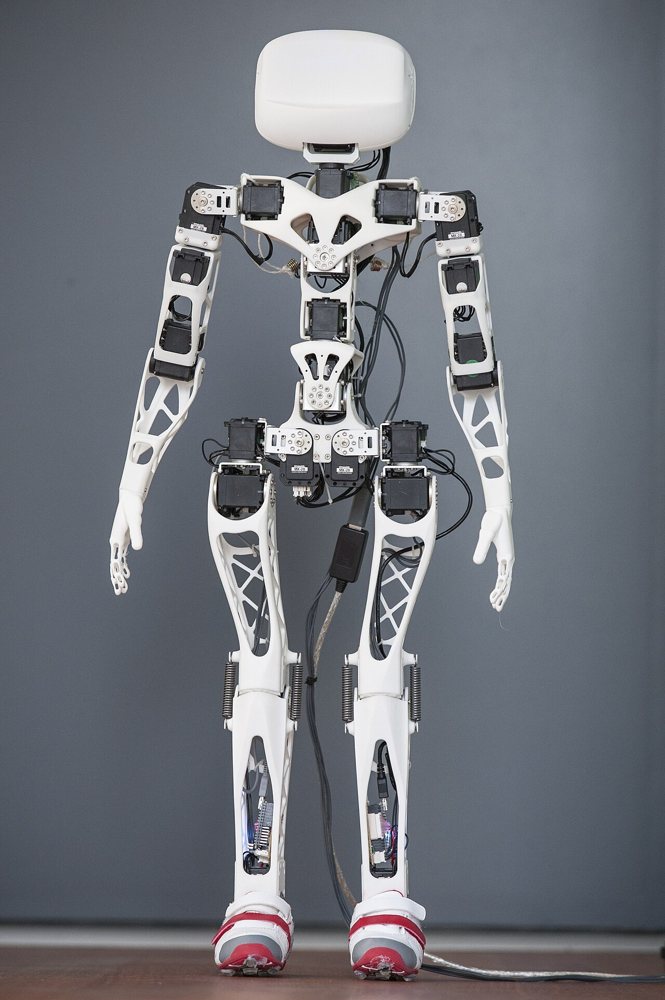 Poppy HumanoidInria Flowers Laboratory (now Poppy Station) Poppy HumanoidInria Flowers Laboratory (now Poppy Station) | 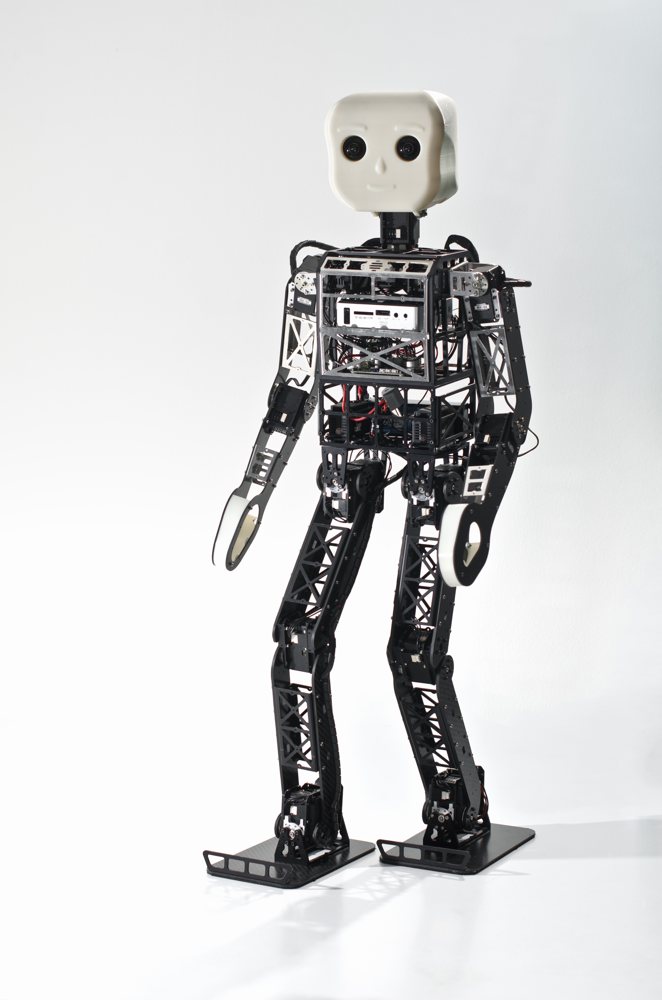 NimbRo-OPUniversity of Bonn (Autonomous Intelligent Systems group)Same jobs: research, education · Both walk · Both research platforms NimbRo-OPUniversity of Bonn (Autonomous Intelligent Systems group)Same jobs: research, education · Both walk · Both research platforms | 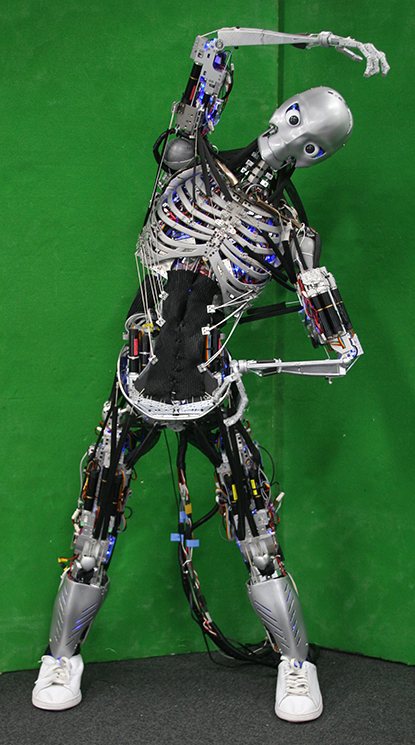 KenshiroUniversity of Tokyo JSK Lab (Masayuki Inaba, Kei Okada)Same job: research · Both walk · Both research platforms KenshiroUniversity of Tokyo JSK Lab (Masayuki Inaba, Kei Okada)Same job: research · Both walk · Both research platforms | 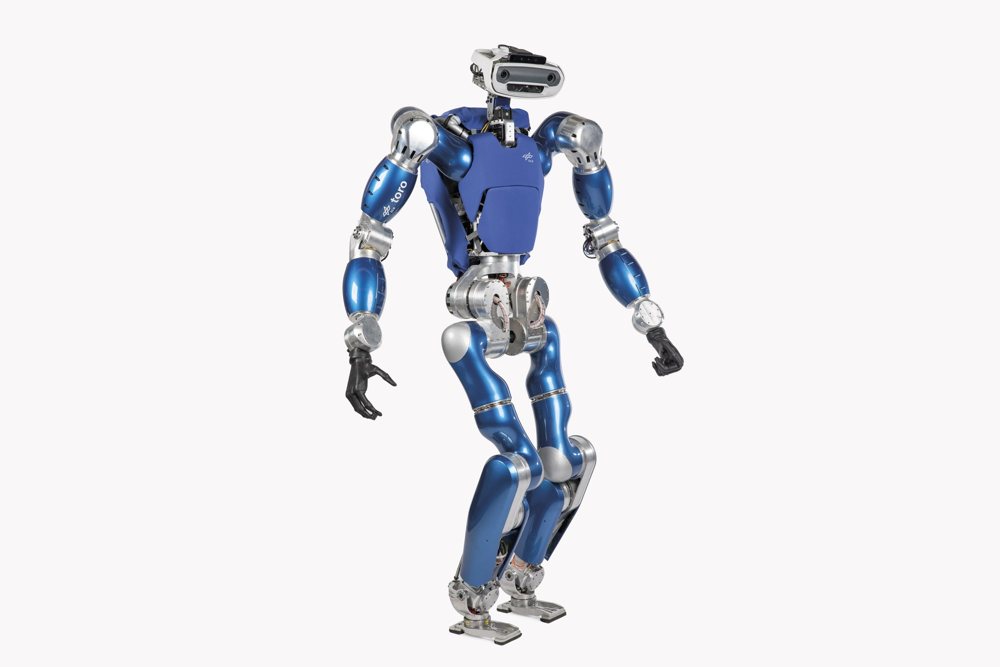 TOROGerman Aerospace Center (DLR)Same job: research · Both walk · Both research platforms TOROGerman Aerospace Center (DLR)Same job: research · Both walk · Both research platforms |
|---|---|---|---|---|
| First shown | 2012 | 2012-10 | 2012-11 | 2013-03-25 |
| Status | Research | Research | Research | Research |
| Height | — | 95 cm | 158 cm | 174 cm |
| Weight | — | 6.6 kg | 50 kg | 76 kg |
| Joints | — | 20 | 64 | 39 |
| Speed | — | — | — | 1.8 km/h |
| Payload | — | — | — | 10 kg |
| Battery | — | — | — | 1 h |
| Price | $8,000 | — | — | — |
Sources
Figures come from the maker. Every link below backs something on this page.
Photos and logos only identify each robot and its maker. Simbeing is not affiliated with, sponsored by or endorsing any company, and nothing here is advertising. Figures are for statistics only and are not advice of any kind. Terms of use