Boston Dynamics · robot dog
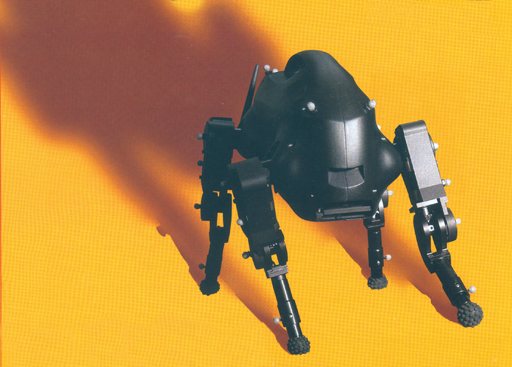
LittleDog
A small electric quadruped with three motors per leg, built for DARPA so university teams could develop rough-terrain walking algorithms. 2005 press reports gave 3 kg; Scientific American later gave 2.2 kg.
- Price
- —supplied to DARPA Learning Locomotion research teams, not sold
- Height
- 14 cmTaller than 5%
- Weight
- 2.2 kgHeavier than 10%
- Payload
- —Not published
- Speed
- —Not published
- Battery
- 0.5 hRuns longer than 0%
Not sure this is the one? Find the best robot for your job Starts with: research and teaching. Five more quick questions.
Why it matters
A standard research testbed that let many universities compete on legged-robot learning software on the same hardware.
Real-world use
Used by funded teams (for example MIT and Stanford) in DARPA's Learning Locomotion programme from 2005.
Maker
Boston DynamicsCompany · founded 1992 · Waltham, Massachusetts, United StatesOwned by Hyundai Motor Group since June 2021 (80% stake bought from SoftBank for about $880M; SoftBank kept about 20%).
How it stacks up
Against other robot dogs that publish the figure. Pick a measure.
LittleDog is taller than 5% of the 22 other robot dogs that publish a height. Bars show the 7 closest in date.
LittleDog is heavier than 10% of the 41 other robot dogs that publish a weight. Bars show the 7 closest in date.
LittleDog has more joints than 0% of the 23 other robot dogs that publish a joints. Bars show the 7 closest in date.
LittleDog runs longer than 0% of the 25 other robot dogs that publish a battery. Bars show the 7 closest in date.
Not published by the maker: speed, payload, price.
Public attention
A historic robot: no longer sold or in use, so it is not ranked against current machines.
- No Wikipedia article of its own yet
- 2 news stories from reputable press listed on this page
Measures how much people read and write about a robot, not how good it is. Measured 2026-10-14; same method for every robot. How it is measured
What’s inside
The parts the company has talked about publicly.
- Movement
- Walks on legs · 12 joints
- How it runs
- Fully autonomous. University teams wrote software that made it plan and walk across rough terrain boards by itself, using lab motion-capture data.
- Actuators & motors
- Three electric motors per leg (12 total).
- Sensors & vision
- Joint angles, motor currents, body orientation and foot contact; teams also used stereo vision and motion capture.
- Compute
- On-board PC-class computer; teams accessed it through the Boston Dynamics Robot API.
- Battery & power
- Lithium-polymer, about 30 minutes of continuous operation.
- AI & software
- Common hardware; each research team wrote its own learning and planning software, shipped to DARPA for blind tests.
- Other details
- About 30 x 18 cm, 14 cm tall, 2.2 kg.
Lineage
Every Boston Dynamics machine in order.
 RHex2001Research
 BigDog2005Retired
- LittleDog2005Retired
 RiSE2006Retired
 Sand Flea2012Retired
 LS3 (Legged Squad Support System)2012Retired
 Cheetah2012Retired
 WildCat2013Retired
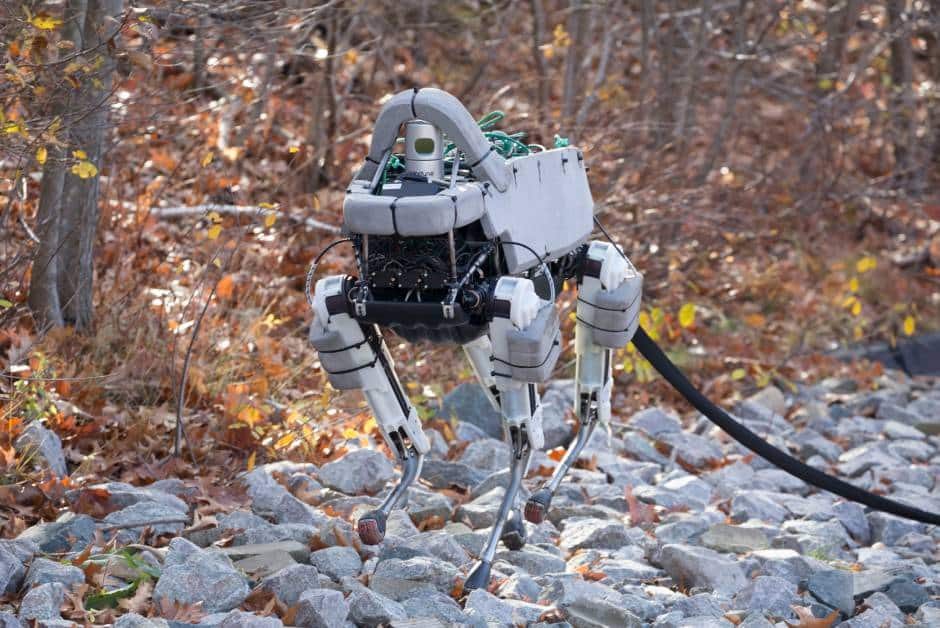 Spot (now called Spot Classic)2015Retired
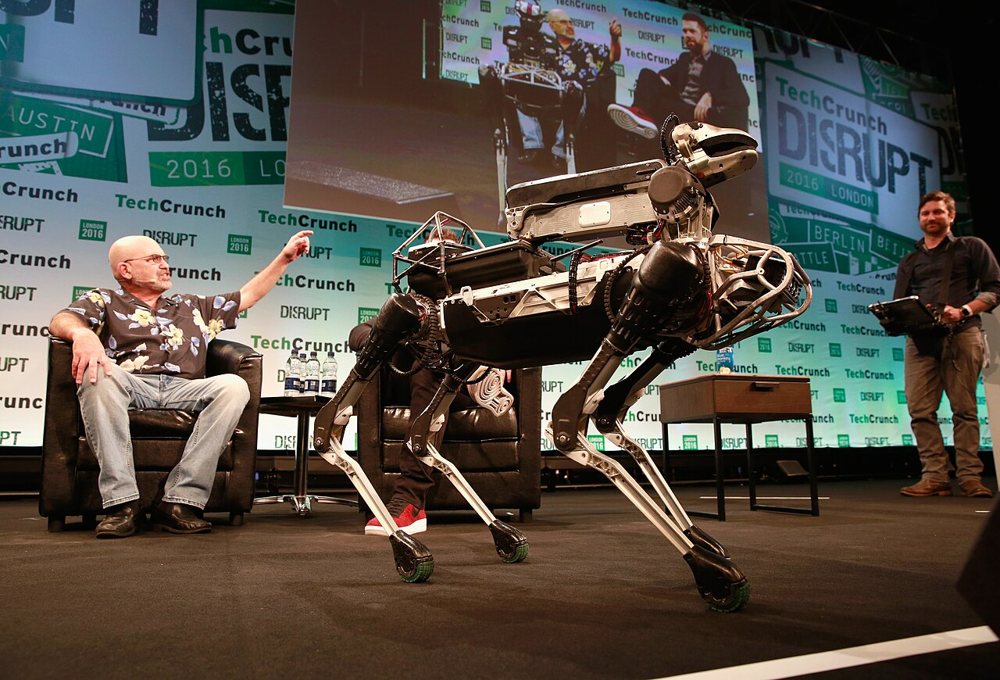 SpotMini2016Retired
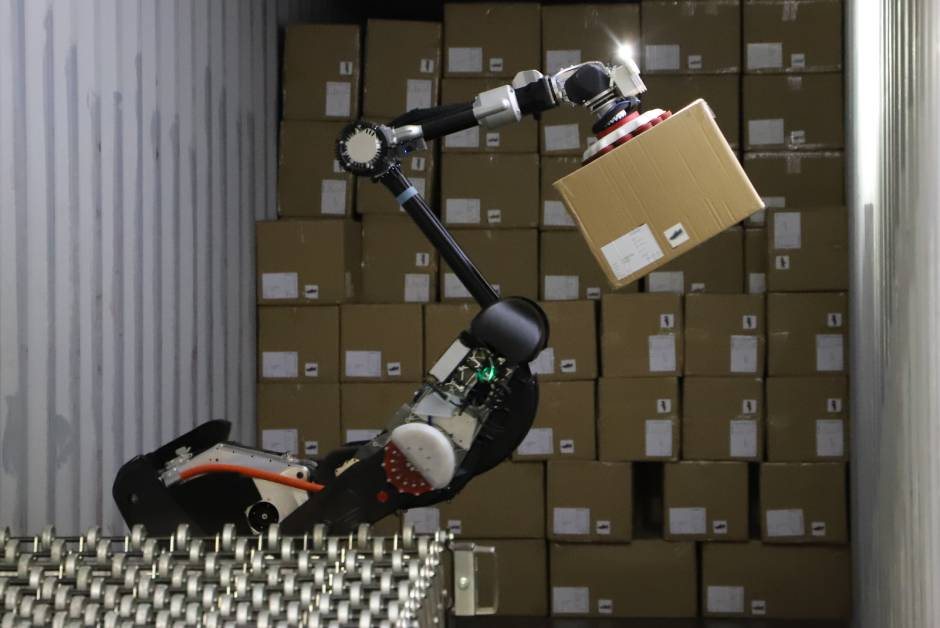 Handle2017Retired
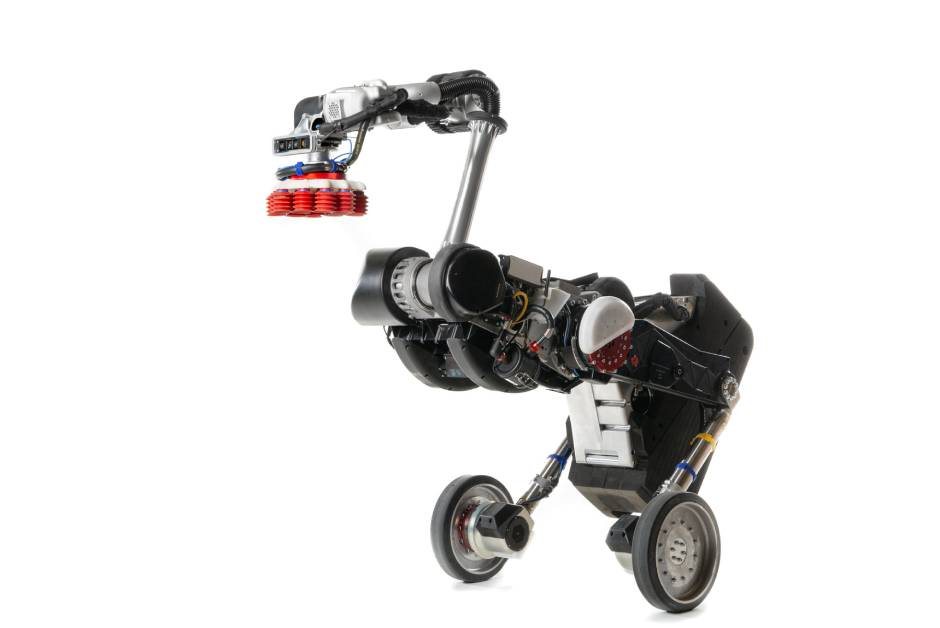 Handle (logistics version)2019Retired
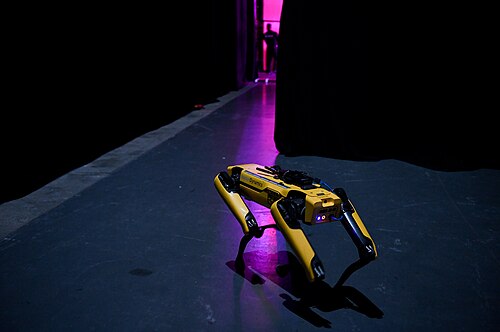 Spot2019Commercial
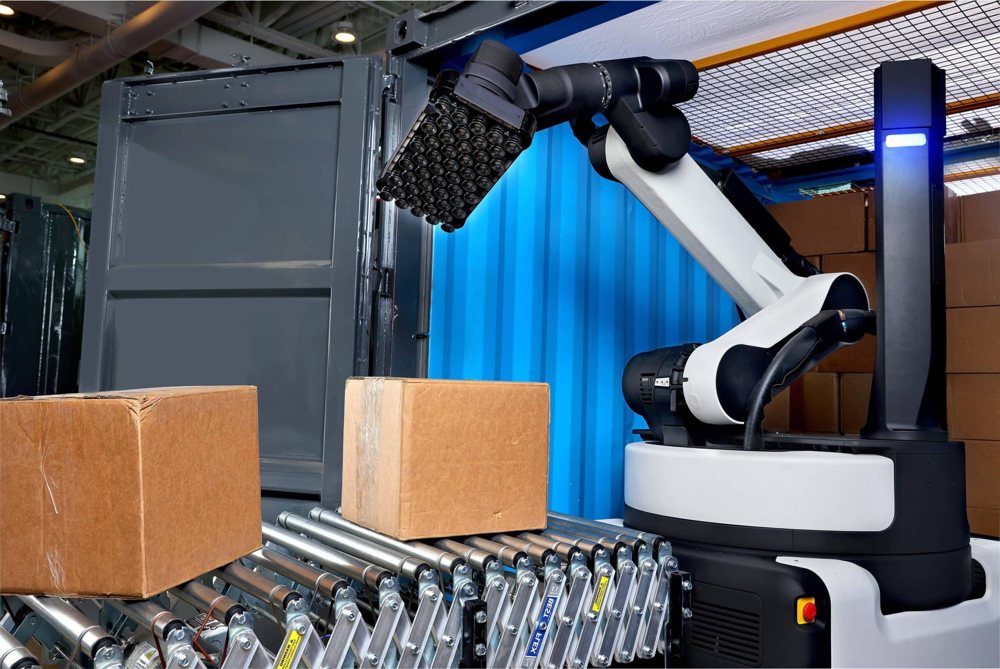 Stretch2021Commercial
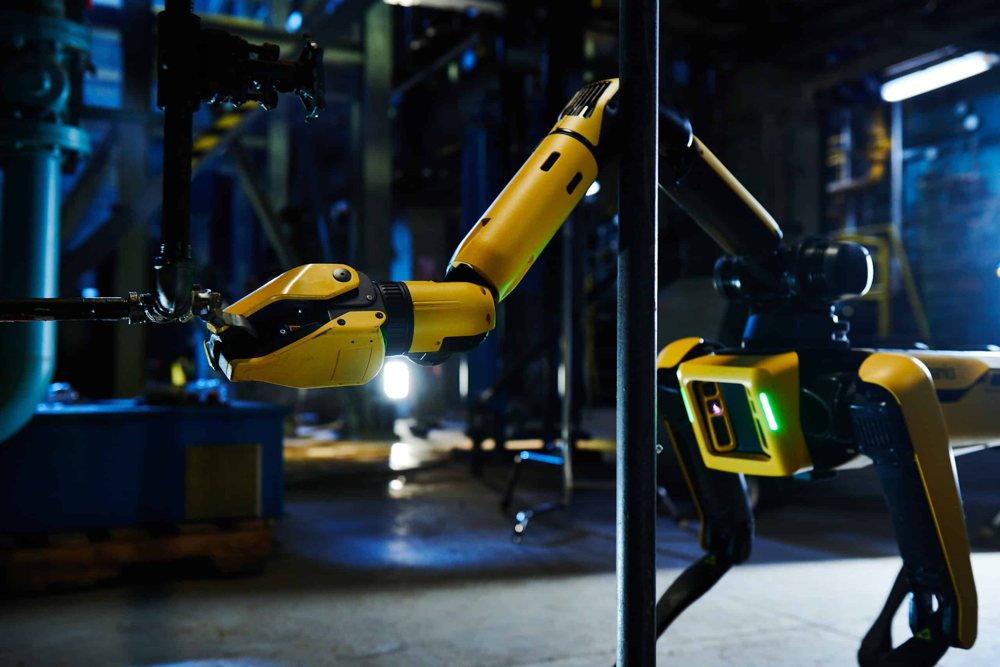 Spot Enterprise and Spot Arm2021Commercial
Boston Dynamics also makes 5 humanoids. See every Boston Dynamics robot
Watch LittleDog
Made, sold and where
Unit counts are usually company figures; analysts often disagree.
- Price
- Not publishedsupplied to DARPA Learning Locomotion research teams, not sold
- How to get one
- No official buying page found
- Built
- Multiple identical units for the funded teams
- Sold or delivered
- DARPA paid Boston Dynamics more than $1.6 million to design and build the platform
- Where it is sold or used
- Boston Dynamics, Massachusetts
- Customers and pilots
- DARPA Learning Locomotion teams: Carnegie Mellon, IHMC, MIT, Stanford, USC and University of Pennsylvania
News
The latest 2, newest first. Summaries are ours; tap through for the original.
- DARPA's LittleDog moves to phase three
Scientific American described how six university teams programme identical LittleDogs and are tested on terrain they have never seen.
Scientific American - DARPA to teach robot dogs to walk
Engadget reported DARPA's plan to fund small legged robots that learn to cross rough terrain.
Engadget
Side by side with its peers
Picked by the same rules for every robot: another maker’s robot that moves the same way, is at the same stage and does at least one of the same main jobs, first shown within two years. Closer size and price rank higher. Few robots match closely, so these are the nearest matches. How we choose
| Measure | LittleDogBoston Dynamics | 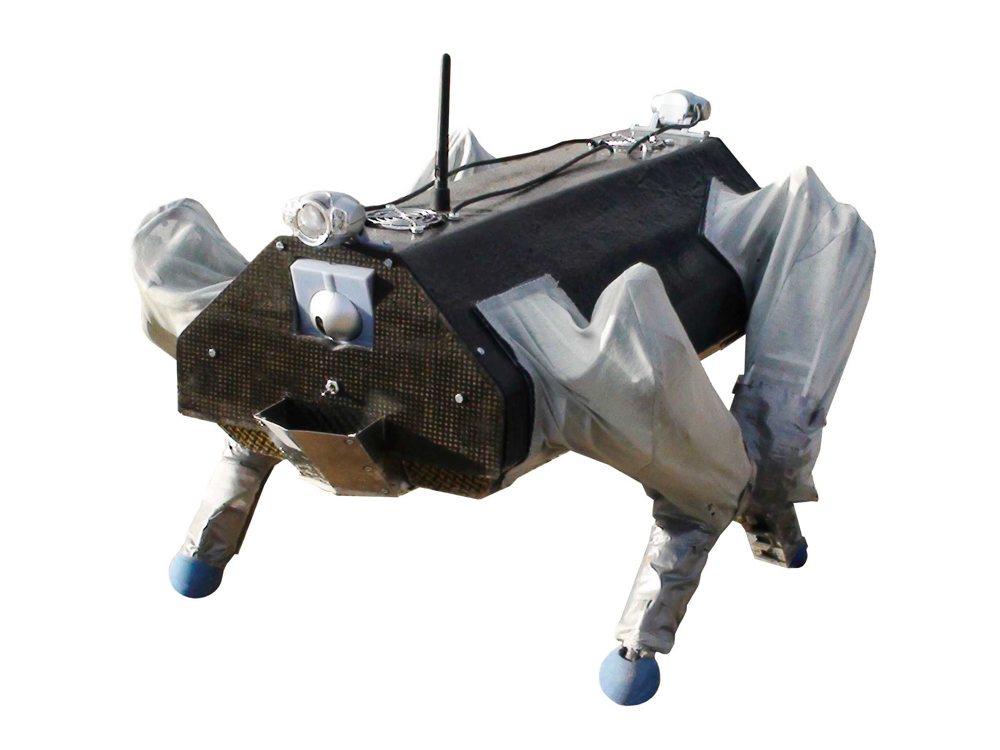 ALoFETH ZurichSame job: research · Both walk · Both past robots ALoFETH ZurichSame job: research · Both walk · Both past robots |
|---|---|---|
| First shown | 2005-03 | 2009 |
| Status | Retired | Retired |
| Height | 14 cm | — |
| Weight | 2.2 kg | — |
| Joints | 12 | — |
| Speed | — | — |
| Payload | — | — |
| Battery | 0.5 h | — |
| Price | — | — |
Sources
Figures come from press coverage. Every link below backs something on this page.
Photos and logos only identify each robot and its maker. Simbeing is not affiliated with, sponsored by or endorsing any company, and nothing here is advertising. Figures are for statistics only and are not advice of any kind. Terms of use