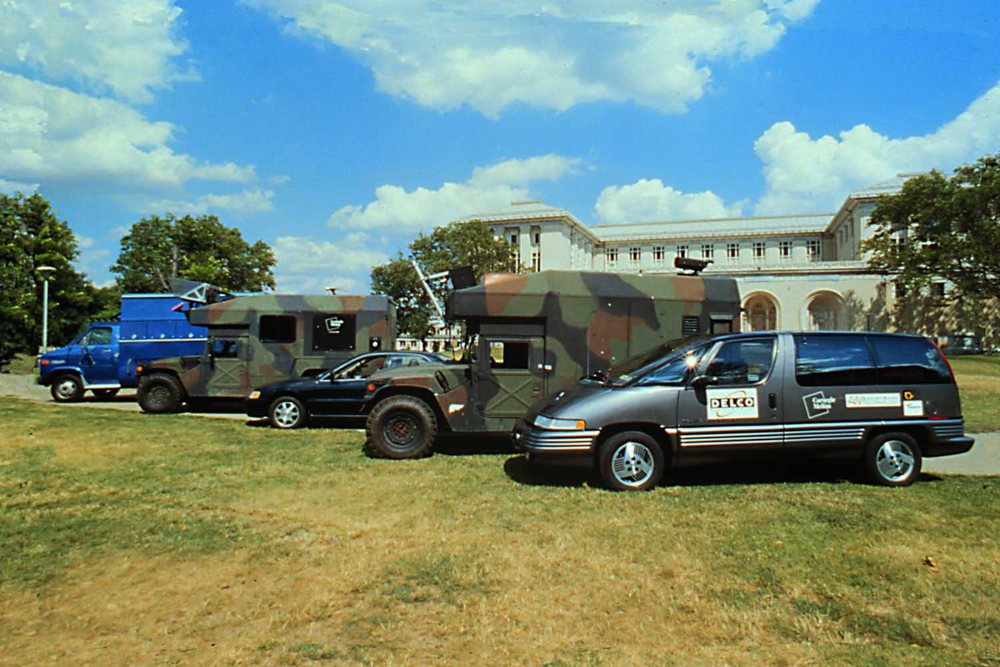
Carnegie Mellon University Robotics Institute · research vehicle
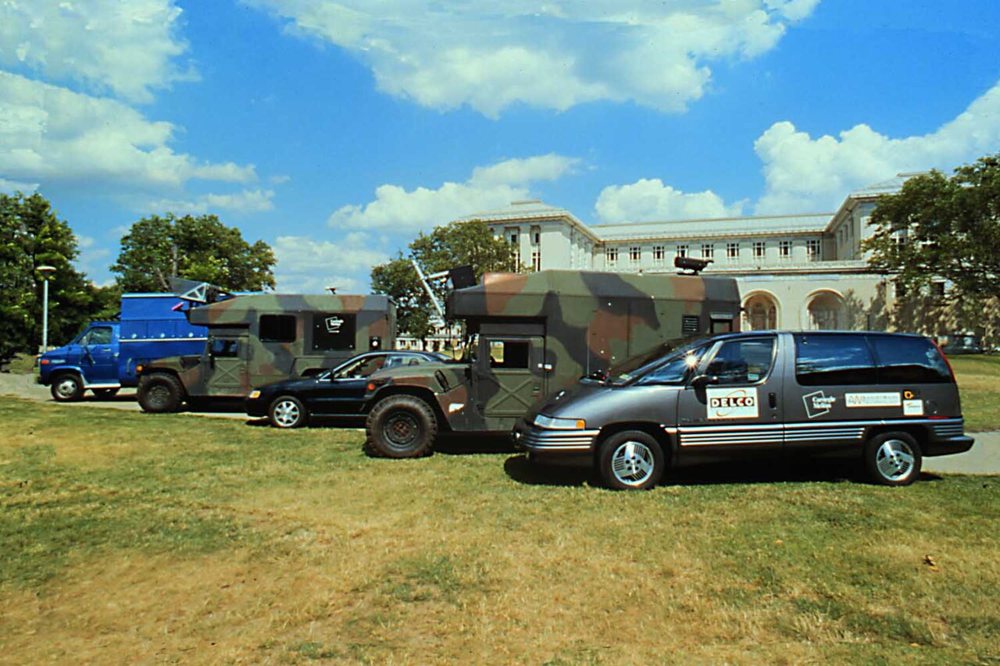
Navlab 2
A US Army HMMWV converted by CMU for semi-autonomous driving on rough ground and roads.
- Price
- —research vehicle, not sold
- Autonomy
- SupervisedHow it runs
- Driverless
- Not yetSafety driver on board
- Fleet
- —Not published
- Speed
- 110.0 km/hFaster than 67%
- Range
- —Not published
Why it matters
A retired vehicle from Carnegie Mellon University Robotics Institute.
Real-world use
Drove at about 10 km/h off-road and up to about 110 km/h on roads.
Maker
Carnegie Mellon University Robotics InstituteCompanyHow it drives
Fleet and city figures move fast; each carries its date and who reported it.
- Driverless status
- Safety driver on board
- Where it runs
- Pittsburgh area (research)
How it stacks up
Against other research pioneers that publish the figure. Pick a measure.
Navlab 2 is faster than 67% of the 6 other research pioneers that publish a speed. Bars show the 6 closest in date.
Not published by the maker: height, weight, payload, joints, battery, price.
Public attention
A historic robot: no longer sold or in use, so it is not ranked against current vehicles.
- 259 views of its Wikipedia article in the last 90 days (Navlab)
- No recent press stories listed yet
Measures how much people read and write about a robot, not how good it is. Measured 2026-10-14; same method for every robot. How it is measured
What’s inside
No component details published yet.
- Movement
- Wheeled base
- How it runs
- Supervised. Works by itself while a person watches and steps in.
Lineage
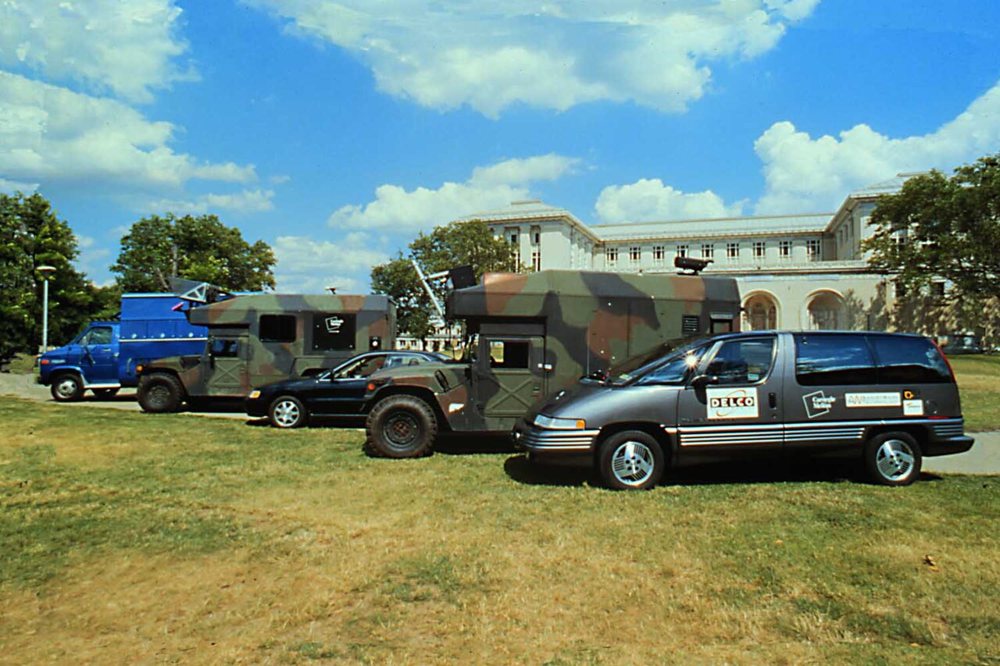
Every Carnegie Mellon University Robotics Institute vehicle in order.
Made, sold and where
No production or sales figures published yet.
- Price
- Not publishedresearch vehicle, not sold
- How to get one
- No official buying page found
Side by side with its peers
Picked by the same rules for every robot: another maker’s robot that moves the same way, is at the same stage and does at least one of the same main jobs, first shown within two years. Closer size and price rank higher. Few robots match closely, so these are the nearest matches. How we choose
| Measure | Navlab 2Carnegie Mellon University Robotics Institute | 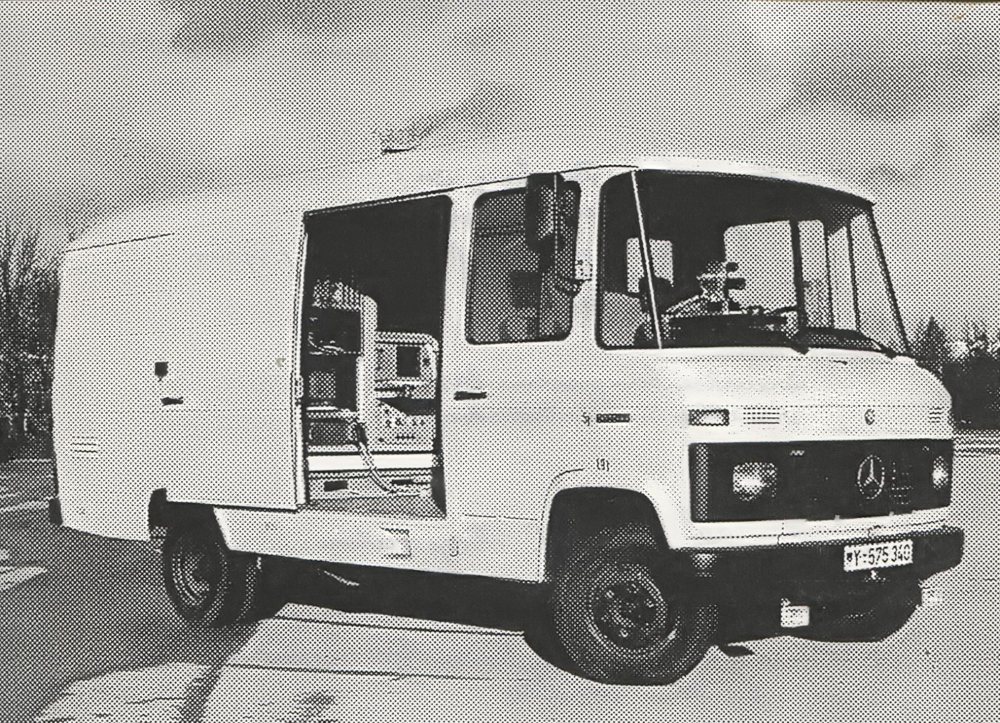 VaMoRsBundeswehr University Munich (Ernst Dickmanns)Same job: research · Both on wheels · Both past robots VaMoRsBundeswehr University Munich (Ernst Dickmanns)Same job: research · Both on wheels · Both past robots | No public photo yetWe only show photos we're allowed to useVITA-2Daimler-Benz (EUREKA PROMETHEUS)Same job: research · Both on wheels · Both past robots | 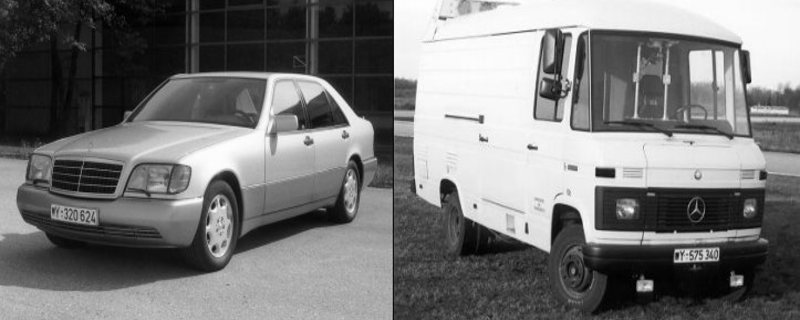 VaMPBundeswehr University Munich with Mercedes-Benz (EUREKA PROMETHEUS)Same job: research · Both on wheels · Both past robots VaMPBundeswehr University Munich with Mercedes-Benz (EUREKA PROMETHEUS)Same job: research · Both on wheels · Both past robots |
|---|---|---|---|---|
| First shown | 1990 | 1986-12 | 1994-10 | 1994-10 |
| Status | Retired | Retired | Retired | Retired |
| Height | — | — | — | — |
| Weight | — | — | — | — |
| Joints | — | — | — | — |
| Speed | 110 km/h | 96 km/h | 130 km/h | 175 km/h |
| Payload | — | — | — | — |
| Battery | — | — | — | — |
| Price | — | — | — | — |
Sources
Figures come from a published paper. Every link below backs something on this page.
Photos and logos only identify each robot and its maker. Simbeing is not affiliated with, sponsored by or endorsing any company, and nothing here is advertising. Figures are for statistics only and are not advice of any kind. Terms of use