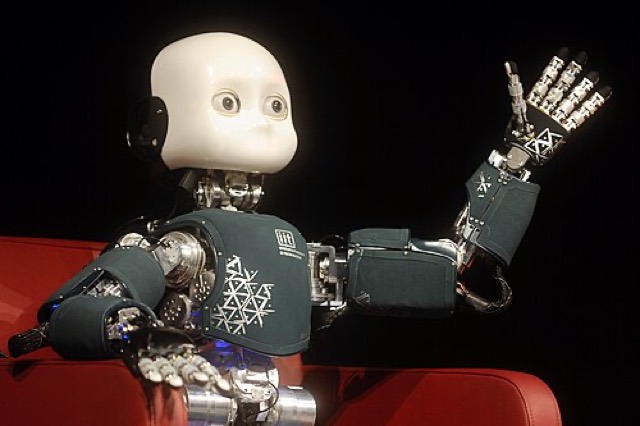
Istituto Italiano di Tecnologia (IIT) · research humanoid
iCub
A child-sized robot from an EU project that began in September 2004; it crawls, sits up and handles objects, and its hardware and software are released under open licences.
- Price
- $300,000Cheaper than 7%
- Height
- 104 cmTaller than 10%
- Weight
- 22 kgHeavier than 11%
- Payload
- —Not published
- Speed
- —Not published
- Battery
- —Not published
Not sure this is the one? Find the best robot for your job Starts with: research and teaching. Five more quick questions.
Why it matters
The best-known fully open-source humanoid, built child-size to study how infants learn; one of few with touch-sensitive skin over much of its body.
Real-world use
About 30 or more built for labs in Europe, the US, Korea and Japan.
Timeline
- First shown
- 2008
- Released
- 2008
Maker
Istituto Italiano di Tecnologia (IIT)Government lab · founded 2003 · Genoa, ItalyAbout EUR 90 million a year from the Italian government; RobotCub received EUR 8.5 million from the European Commission
How it stacks up
Against other humanoids that publish the figure. Pick a measure.
iCub is taller than 10% of the 305 other humanoids that publish a height. Bars show the 7 closest in date.
iCub is heavier than 11% of the 277 other humanoids that publish a weight. Bars show the 7 closest in date.
iCub has more joints than 86% of the 236 other humanoids that publish a joints. Bars show the 7 closest in date.
iCub costs less than 7% of the 85 other humanoids that publish a price. Bars show the 7 closest in date.
Not published by the maker: speed, payload, battery.
What it has been shown doing
We checked public videos and press for iCub and found no clear demo of the skills we track yet.
Public attention
#20 of 377 current humanoids in public attention.
- 1,280 views of its Wikipedia article in the last 90 days (ICub)
- 3 news stories from reputable press listed on this page
- about 25 units or vehicles reported by the maker or press (may be a company-wide total)
Measures how much people read and write about a robot, not how good it is. Measured 2026-10-14; same method for every robot. How it is measured
What’s inside
The parts the company has talked about publicly.
- Movement
- Walks on legs · 53 joints
- Actuators & motors
- 53 actuated degrees of freedom: 7 per arm, 9 per hand, 6 across head and eyes, 3 in the torso and 6 per leg (IIT technical specifications, 2019).
- Hands
- 9 degrees of freedom per hand with tendon-driven fingers (Teflon-coated cables in Teflon tubes pulling against springs); fingertip tactile sensors.
- Sensors & vision
- Stereo cameras in a swivelling head, microphones, gyroscopes and accelerometers, Hall-effect joint-angle sensors and encoders, force-torque sensors, and capacitive tactile skin on fingertips and upper body.
- Compute
- PC104 dual-core controller interfaces with motor and sensor microcontroller cards over CAN bus (IIT product catalog, undated).
- Battery & power
- No battery: an umbilical cable supplies power (12-48 V) and network.
- Materials & build
- Mostly Ergal aluminium alloy, steel and plastic; 104 cm and about 22 kg, the size of a 3.5-year-old child.
- AI & software
- C++ with the YARP middleware over Gigabit Ethernet; Debian Linux on board. Hardware designs, software and documentation are open source (GPL/LGPL).
Named suppliers:Kaydon Bearings
Lineage
Every RobotCub Consortium / Italian Institute of Technology (IIT) humanoid in order.
- iCub2008Research
- No public photo yetWe only show photos we're allowed to useCOMAN (COmpliant huMANoid)2012Retired
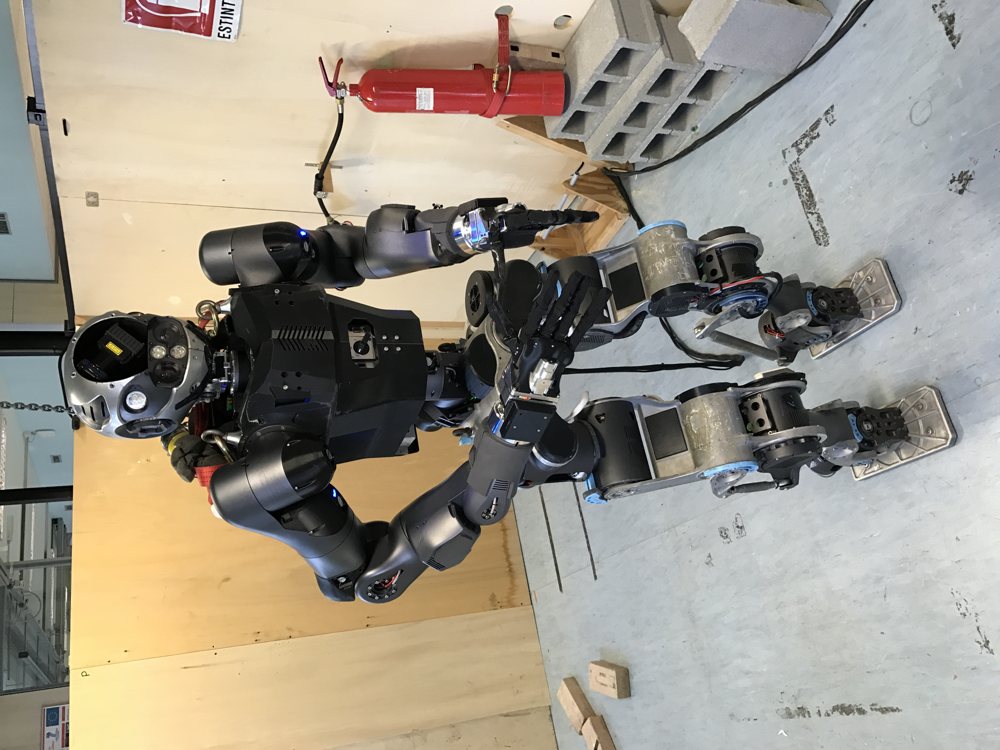 WALK-MAN2015Research
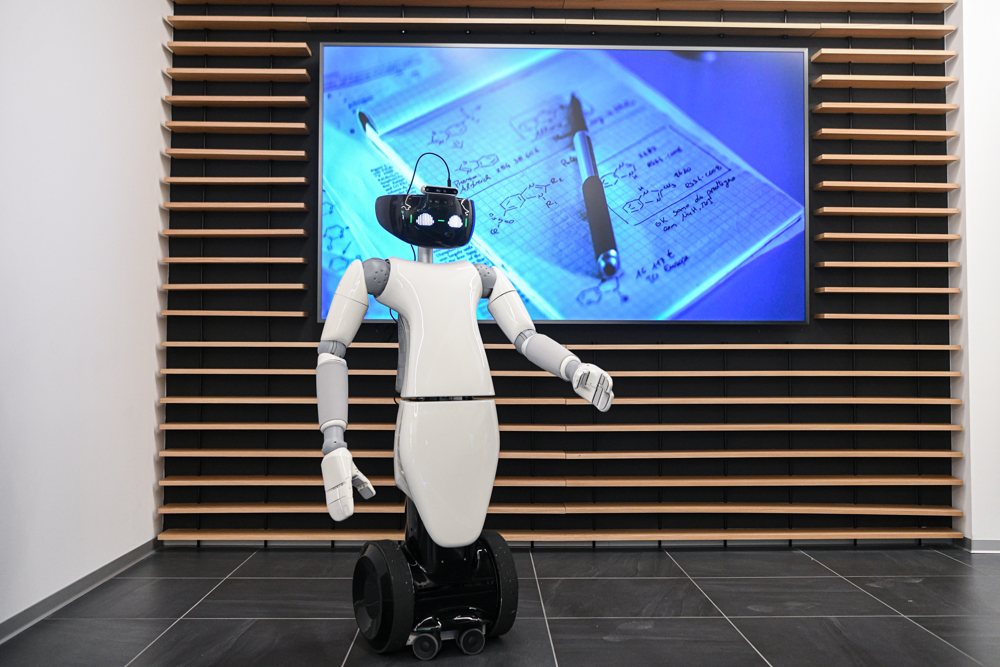 R12016Prototype
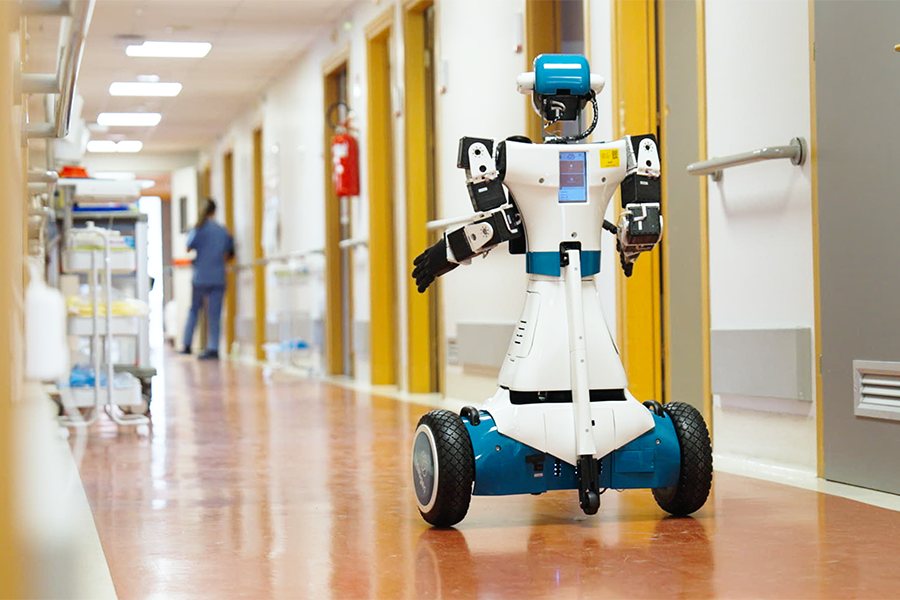 ALTER-EGO2017Pilot use
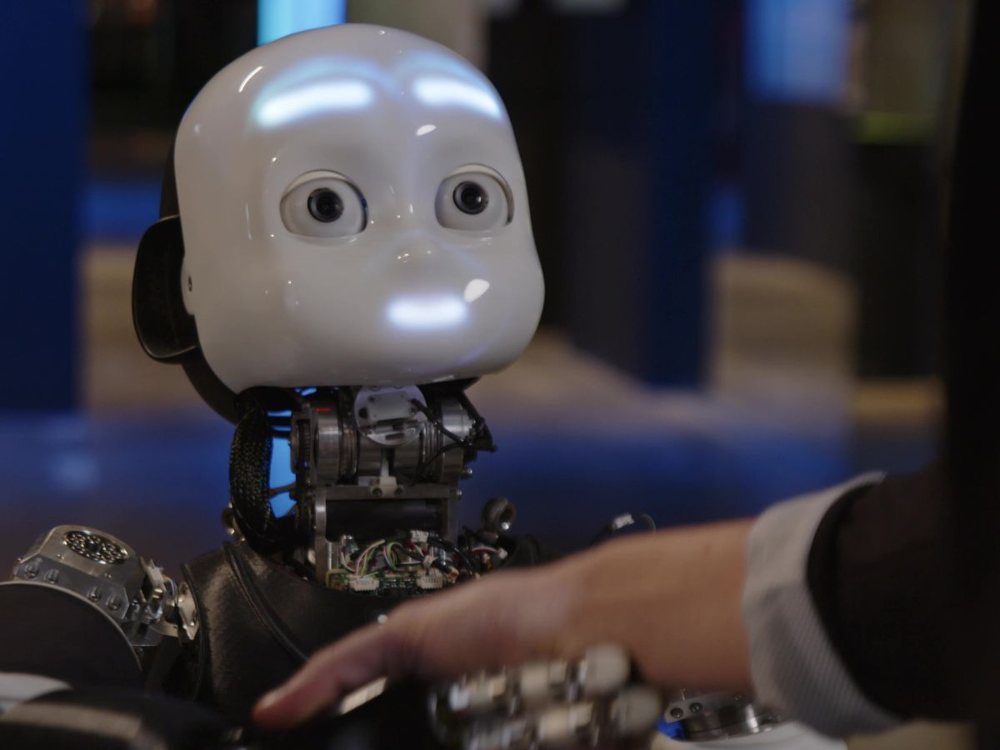 iCub32022Research
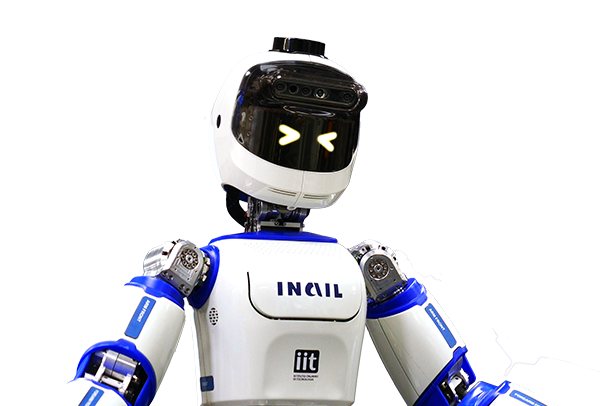 ergoCub2023Prototype
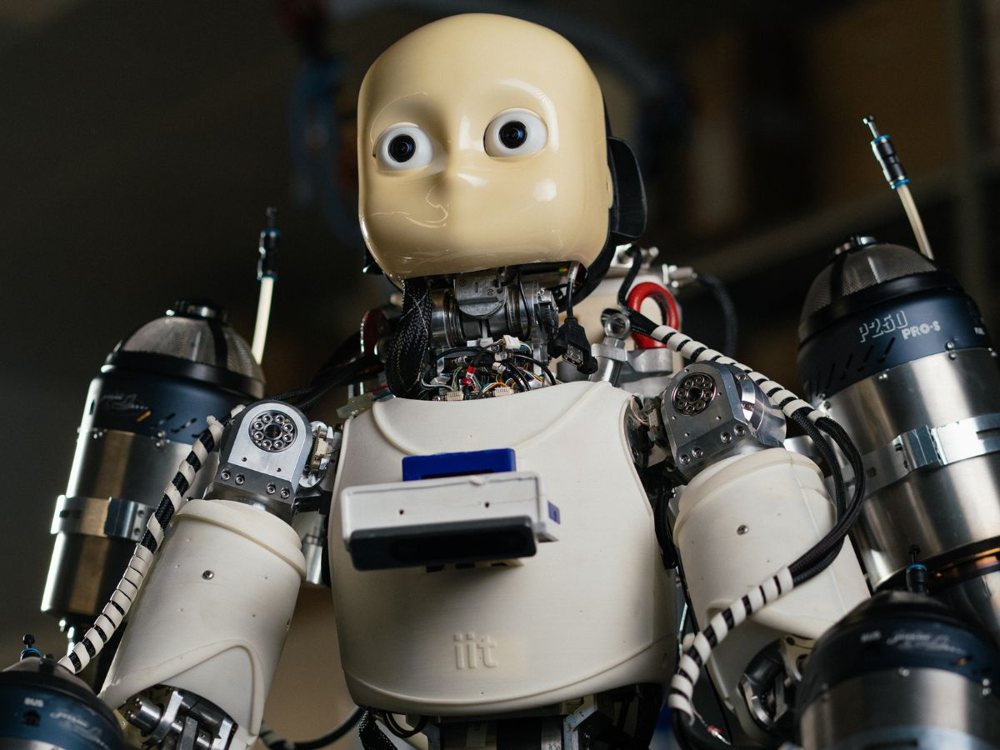 iRonCub32025Research
Istituto Italiano di Tecnologia (IIT) also makes 3 machines. See every Istituto Italiano di Tecnologia (IIT) robot
Made, sold and where
Unit counts are usually company figures; analysts often disagree.
- Price
- $300,000Indicative full-iCub build cost: EUR 250,000 (IIT product catalog, undated)
- How to get one
- No official buying page found
- Built
- About 25 robots built by October 2014 (USI seminar announcement, 2014).
- Sold or delivered
- Available from IIT for a fee; indicative full-robot build cost EUR 250,000 (IIT product catalog, undated).
- Where it is sold or used
- Mostly European labs, plus the United States
News
The latest 3, newest first. Summaries are ours; tap through for the original.
- Robot-Cub project completion
The EU-funded Robot-Cub project ran from 1 September 2004 to 31 January 2010.
European Commission, CORDIS - Further iCub construction for European research projects
IIT’s history records additional iCub construction for the ImClever project in 2009, following ITALK in 2008.
Istituto Italiano di Tecnologia - Robot-Cub project starts
The EU-funded project began developing an open child-like platform for embodied cognition research.
European Commission, CORDIS
Side by side with its peers
Picked by the same rules for every humanoid: another maker’s robot that moves the same way, is at the same stage and does at least one of the same main jobs, first shown within two years. Closer size and price rank higher. Few robots match closely, so these are the nearest matches. How we choose
| Measure | iCubRobotCub Consortium / Italian Institute of Technology (IIT) | 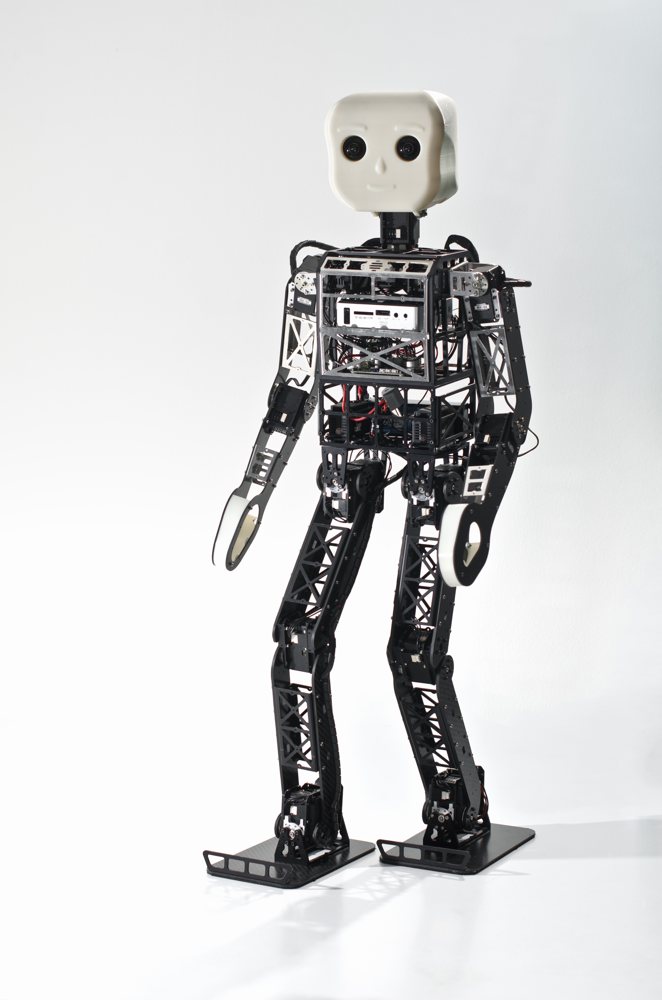 NimbRo-OPUniversity of Bonn (Autonomous Intelligent Systems group)Same jobs: research, education · Both walk · Both research platforms NimbRo-OPUniversity of Bonn (Autonomous Intelligent Systems group)Same jobs: research, education · Both walk · Both research platforms | 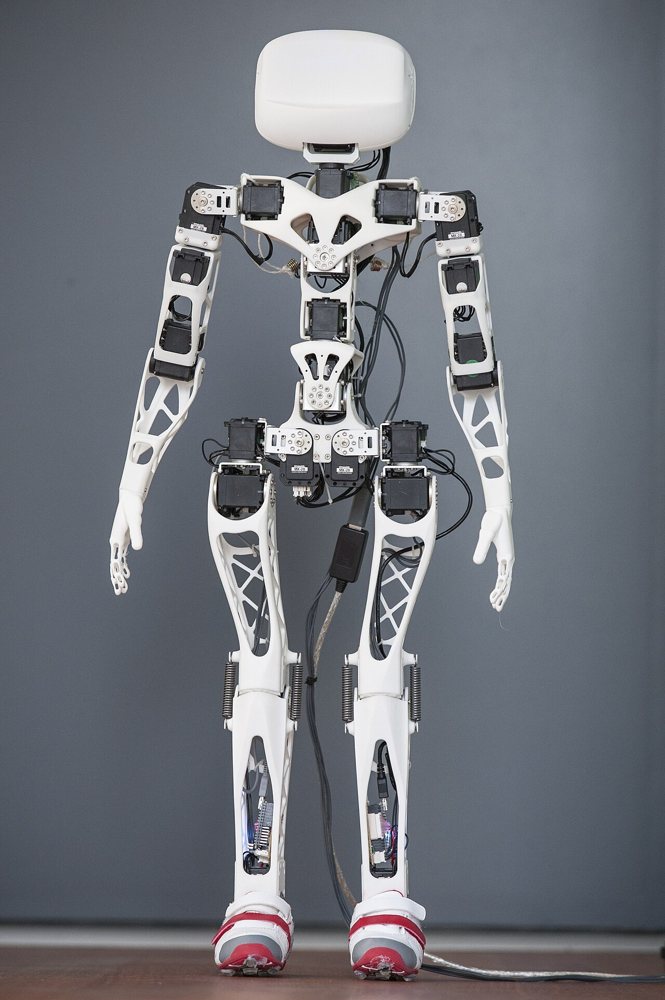 Poppy HumanoidInria Flowers Laboratory (now Poppy Station)Same jobs: research, education · Both walk · Both research platforms Poppy HumanoidInria Flowers Laboratory (now Poppy Station)Same jobs: research, education · Both walk · Both research platforms | 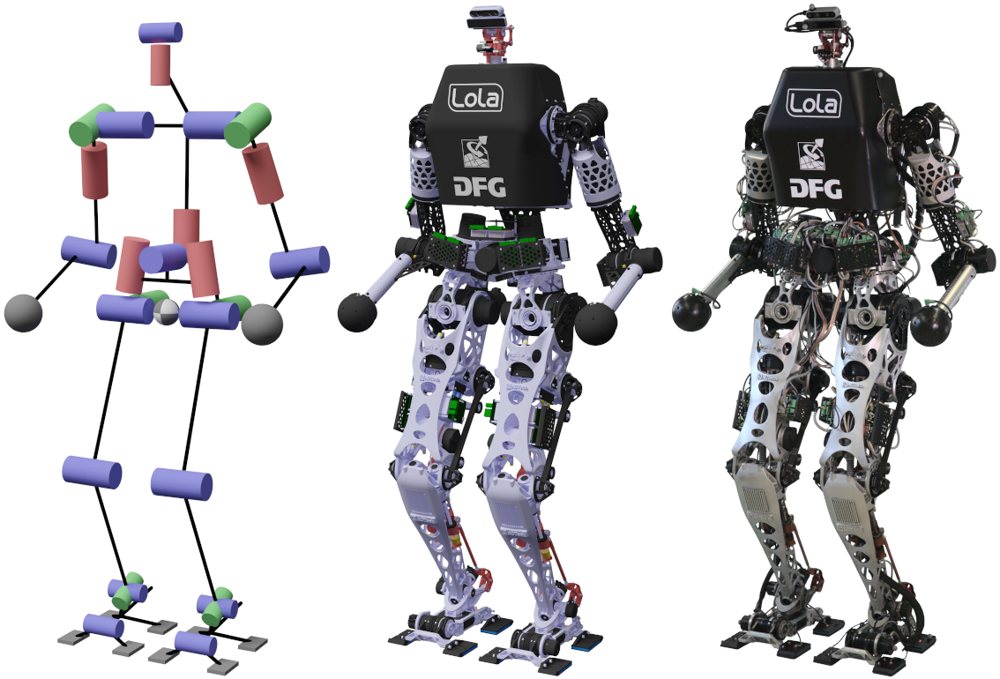 LOLATechnical University of MunichSame job: research · Both walk · Both research platforms LOLATechnical University of MunichSame job: research · Both walk · Both research platforms |
|---|---|---|---|---|
| First shown | 2008 | 2012-10 | 2012 | 2010 |
| Status | Research | Research | Research | Research |
| Height | 104 cm | 95 cm | — | 180 cm |
| Weight | 22 kg | 6.6 kg | — | 55 kg |
| Joints | 53 | 20 | — | 25 |
| Speed | — | — | — | 3.3 km/h |
| Payload | — | — | — | — |
| Battery | — | — | — | — |
| Price | $300,000 | — | $8,000 | — |
Sources
Figures come from a published paper. Every link below backs something on this page.
Photos and logos only identify each robot and its maker. Simbeing is not affiliated with, sponsored by or endorsing any company, and nothing here is advertising. Figures are for statistics only and are not advice of any kind. Terms of use