UC San Diego Machine Perception Lab with Kokoro and Hanson Robotics · research humanoid
Diego-san
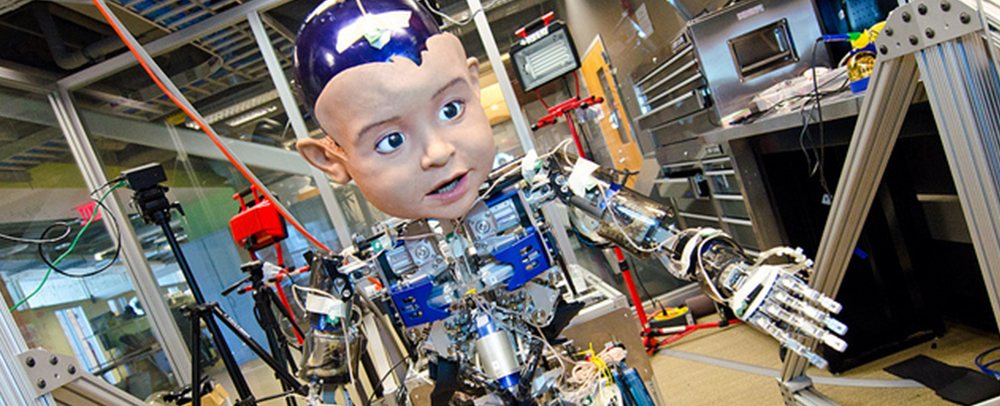
A child-sized android modelled on a one-year-old, with a highly expressive Hanson face and a pneumatic Kokoro body, built to study how infants develop motor and social skills. Development began in 2010.
- Price
- —Not published
- Height
- 130 cmTaller than 19%
- Weight
- 30 kgHeavier than 13%
- Payload
- —Not published
- Speed
- —Not published
- Battery
- —Not published
Not sure this is the one? Find the best robot for your job Starts with: research and teaching. Five more quick questions.
Why it matters
A discontinued humanoid from UC San Diego Machine Perception Lab with Kokoro and Hanson Robotics.
Real-world use
No customers or deployments reported yet.
Maker
UC San Diego Machine Perception Lab with Kokoro and Hanson RoboticsUniversity lab · founded 1960 · La Jolla (San Diego), United Statespublic university (UC San Diego R&D spending $1.42 billion in 2021)
How it stacks up
Against other humanoids that publish the figure. Pick a measure.
Diego-san is taller than 19% of the 305 other humanoids that publish a height. Bars show the 7 closest in date.
Diego-san is heavier than 13% of the 277 other humanoids that publish a weight. Bars show the 7 closest in date.
Diego-san has more joints than 92% of the 236 other humanoids that publish a joints. Bars show the 7 closest in date.
Not published by the maker: speed, payload, battery, price.
Public attention
A historic robot: no longer sold or in use, so it is not ranked against current humanoids.
- No Wikipedia article of its own yet
- 1 news story from reputable press listed on this page
Measures how much people read and write about a robot, not how good it is. Measured 2026-10-14; same method for every robot. How it is measured
What’s inside
The parts the company has talked about publicly.
- Movement
- Stationary · 62 joints
- Actuators & motors
- 44 pneumatic body actuators in agonist-antagonist pairs with adjustable joint stiffness, plus electric RC servos in the face.
- Hands
- 3 pneumatic DoF per hand.
- Sensors & vision
- Two Point Grey Dragonfly2 cameras in the eyes, two microphones, two IMUs, 38 potentiometers and 88 pressure sensors.
- Compute
- 12-core 2.8 GHz Intel Xeon computer with a National Instruments data-acquisition system linking sensors and valves.
- Battery & power
- Tethered: compressed air from an external compressor drives the pneumatics.
- Materials & build
- Aluminium structure, acrylic shell and rubber face. Body by Kokoro (Japan), head by Hanson Robotics (US).
- AI & software
- Ubuntu Linux with ROS; OpenCV for vision; control code in Python, MATLAB and C++. The team aimed for the robot to learn to control its own body.
- Other details
- Modelled on a one-year-old to study infant motor and social development; face shows emotions such as happiness, anger and surprise. Led by Javier Movellan.
Named suppliers:ROS (Open Robotics)IntelKokoro
From the maker
Diego-san is the only humanoid from UC San Diego Machine Perception Lab with Kokoro and Hanson Robotics in the atlas.
Watch Diego-san
Made, sold and where
Unit counts are usually company figures; analysts often disagree.
- Price
- Not published
- How to get one
- No official buying page found
- Sold or delivered
- not sold (research robot)
- Where it is sold or used
- Body by Kokoro (Japan), head by Hanson Robotics (US), integrated at UCSD Machine Perception Lab
News
The latest 1, newest first. Summaries are ours; tap through for the original.
- Robot baby Diego-san shows its face on video
UCSD released the first video of the child android's expressive Hanson-built face.
IEEE Spectrum
Side by side with its peers
Picked by the same rules for every humanoid: another maker’s robot that moves the same way, is at the same stage and does at least one of the same main jobs, first shown within two years. Closer size and price rank higher. Few robots match closely, so these are the nearest matches. How we choose
| Measure | Diego-sanUC San Diego Machine Perception Lab with Kokoro and Hanson Robotics | 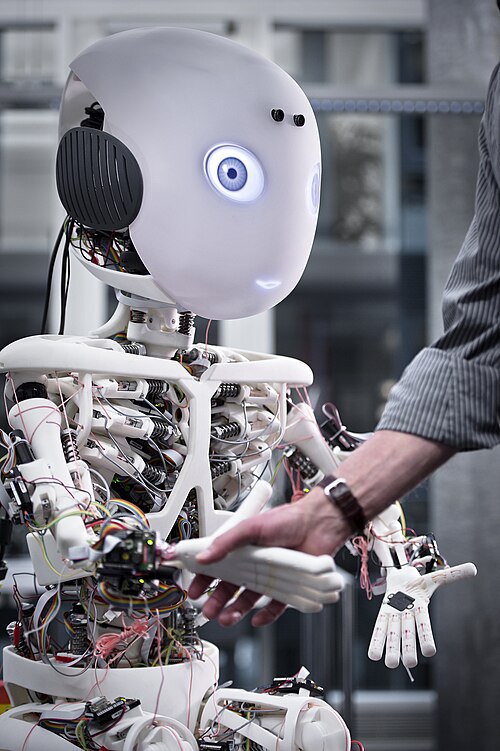 RoboyUniversity of Zurich AI LabSame job: research · Both fixed in place · Both past robots · Similar size RoboyUniversity of Zurich AI LabSame job: research · Both fixed in place · Both past robots · Similar size | 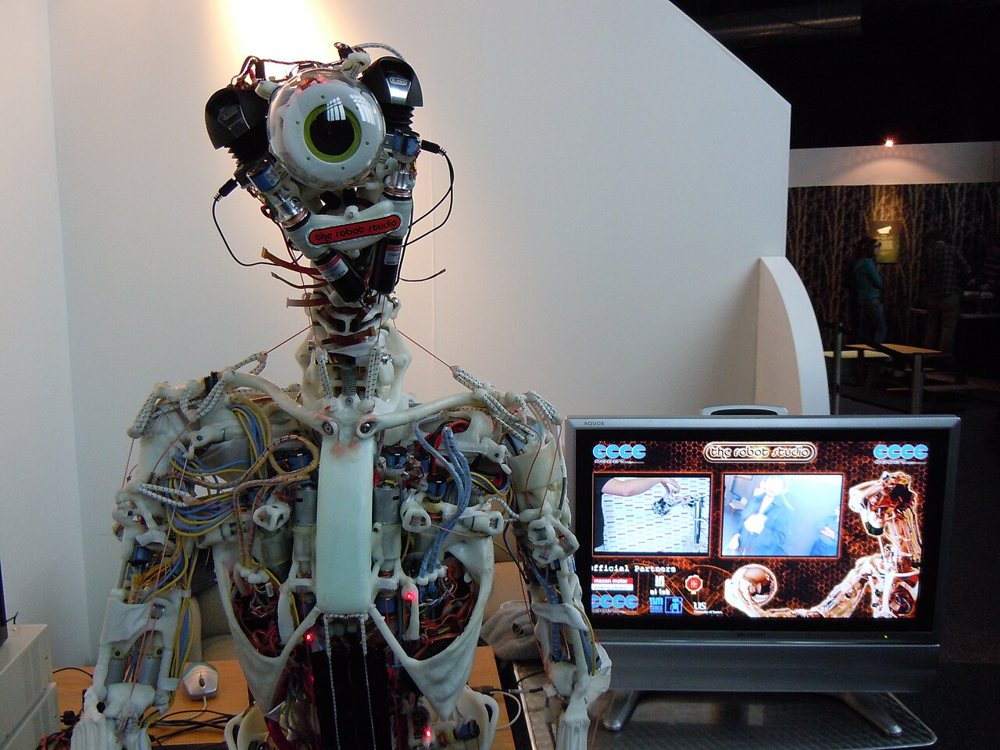 ECCE (ECCEROBOT)The Robot Studio and the EU ECCEROBOT projectSame job: research · Both fixed in place · Both past robots · Similar size ECCE (ECCEROBOT)The Robot Studio and the EU ECCEROBOT projectSame job: research · Both fixed in place · Both past robots · Similar size | 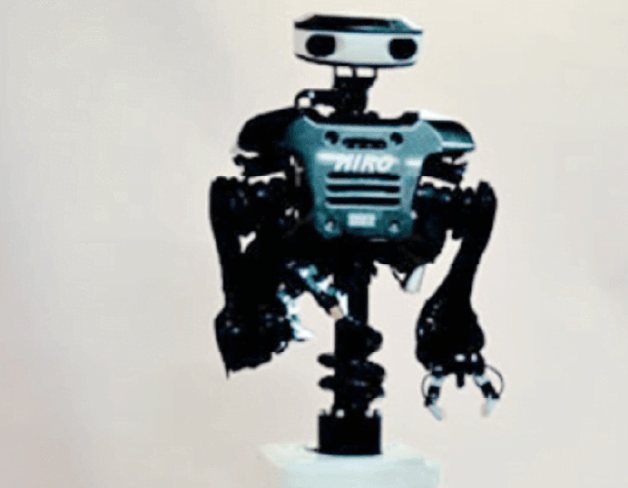 HIROKawada IndustriesSame job: research · Both fixed in place · Both past robots HIROKawada IndustriesSame job: research · Both fixed in place · Both past robots |
|---|---|---|---|---|
| First shown | 2013-01 | 2013-03-08 | 2009-11 | 2009 |
| Status | Discontinued | Retired | Retired | Discontinued |
| Height | 130 cm | 130 cm | 105 cm | — |
| Weight | 30 kg | — | 26 kg | — |
| Joints | 62 | 28 | 60 | — |
| Speed | — | — | — | — |
| Payload | — | — | — | — |
| Battery | — | — | — | — |
| Price | — | — | — | — |
Sources
Figures come from press coverage. Every link below backs something on this page.
Photos and logos only identify each robot and its maker. Simbeing is not affiliated with, sponsored by or endorsing any company, and nothing here is advertising. Figures are for statistics only and are not advice of any kind. Terms of use