IntelComputers and chips · United States
Supplier · computers and chips
Intel
Intel's Core processors serve as the main on-board computers in Unitree's full-size H1 and H2 humanoids. Intel spun its RealSense depth-camera unit out as a separate company in July 2025.
- Category
- Computers and chips
- Country
- United States
- Founded
- 1968
- Reported customers
- 5Named by the press or the companies
- Robots
- 51Name it in their parts
- Listed
- INTC (NASDAQ)Stock market
What it makes
From the company's own description and the sources below.
- Makes
- x86 processors used as on-board robot computers, and formerly the RealSense depth-camera line.
- Parts
- Robot AI processor or module
- Tier
- Parts and modules
- Founded
- 1968
- Listed
- INTC (NASDAQ)
- Products
- Core i5, Core i7
Chips and boards
Each has its own profile with specs and the robots that use it.
- CPUs2023 Core i7-13700HIntel —14-core x86 up to 5.0 GHz Used in 1 robot model
- CPUs2023 Processor N97Intel —Quad-core x86 up to 3.6 GHz Used in 1 robot model
- CPUs2020 Core i5-1135G7Intel —Quad-core x86 up to 4.2 GHz Used in 1 robot model
- CPUs2019 Core i7-8665UIntel —Quad-core x86 up to 4.8 GHz Used in 2 robot models
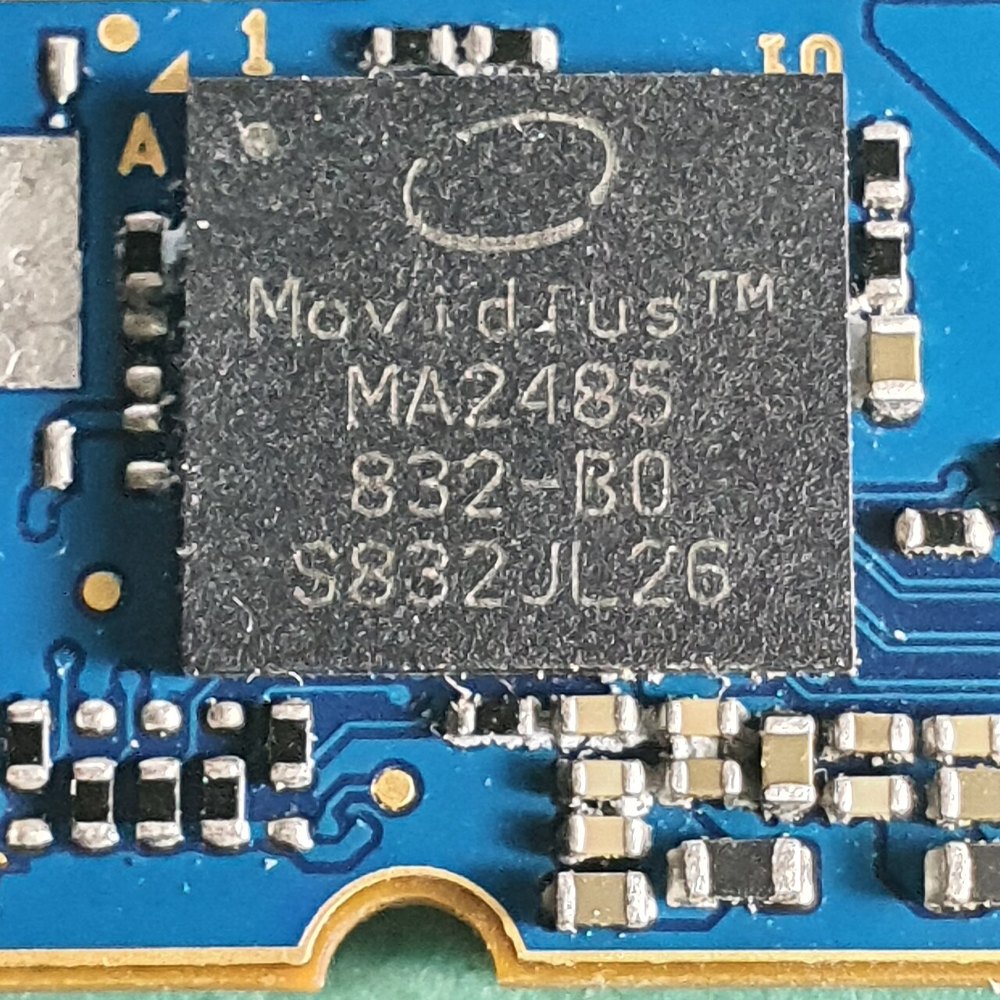 AI accelerators2017
Movidius Myriad XIntel
—Vision processing unit with a dedicated Neural Compute Engine
No robot named yet
AI accelerators2017
Movidius Myriad XIntel
—Vision processing unit with a dedicated Neural Compute Engine
No robot named yet - CPUs2013 Atom E3845Intel —Quad-core x86 at 1.91 GHz Used in 1 robot model
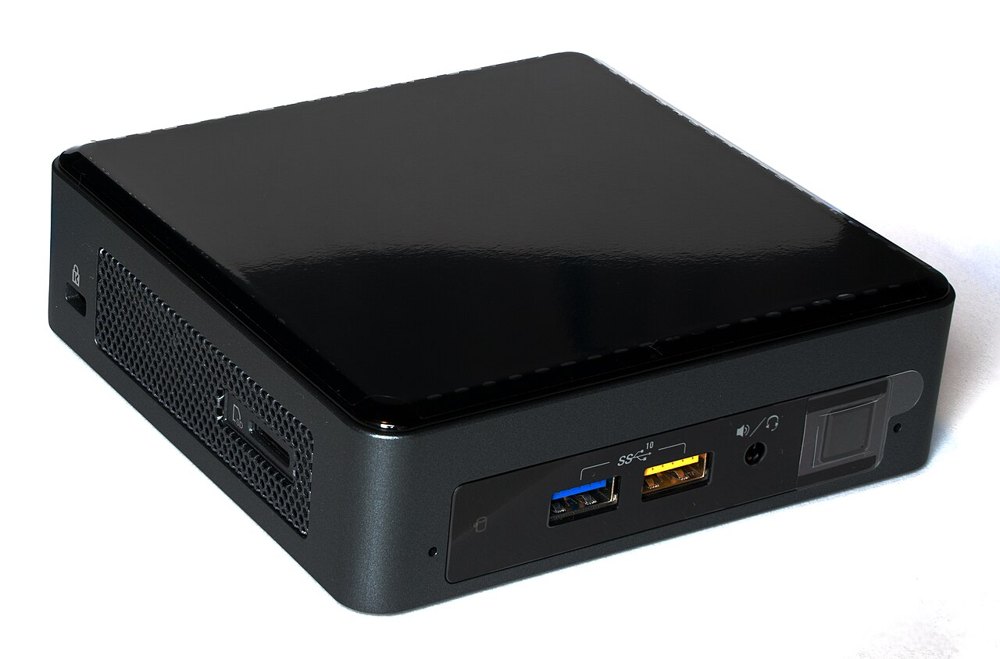 CPUs2013
NUC mini PC (Core i5/i7)Intel
—x86 Core i3/i5/i7 mini PC
Used in 3 robot models
CPUs2013
NUC mini PC (Core i5/i7)Intel
—x86 Core i3/i5/i7 mini PC
Used in 3 robot models
Reported customers
Supply deals and partnerships as reported by the companies or the press.
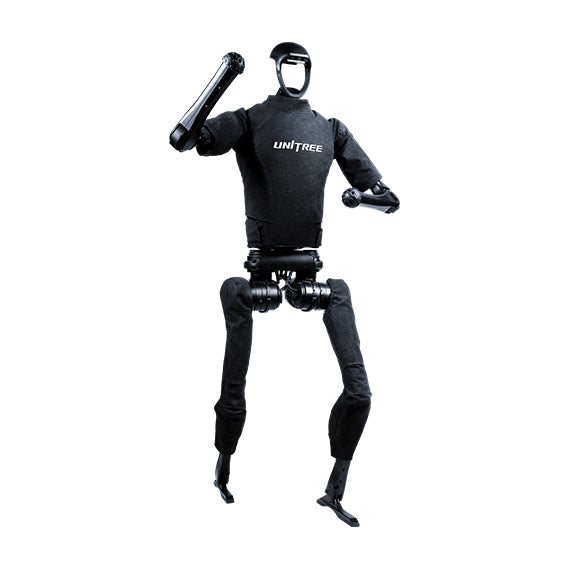 H1Unitree RoboticsCore i5/i7 on-board computer
Unitree's H1 spec lists Intel Core i5 for the platform computer and Core i7 for the user development computer. Unitree Robotics
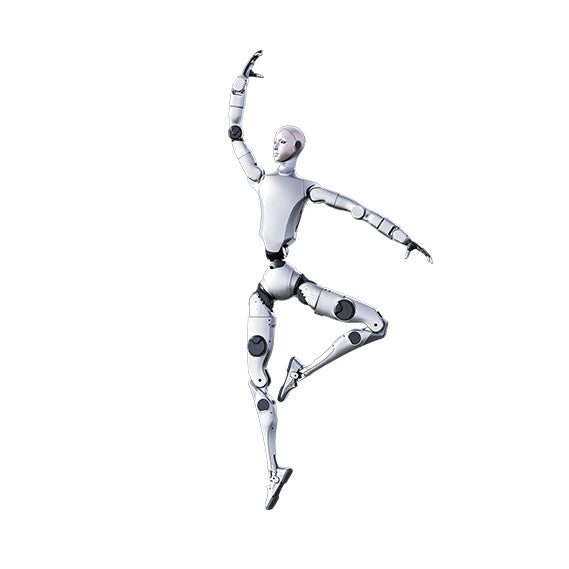 H2Unitree RoboticsCore i5/i7 on-board computer
Unitree's H2 page lists Intel Core i5 (PC1) and Intel Core i7 (PC2) as the basic computing platforms. Unitree Robotics
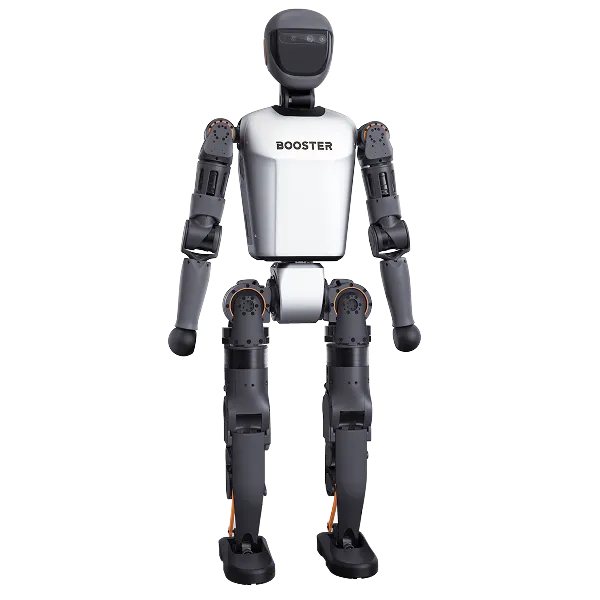 T1Booster RoboticsCPU used in · 2024
Booster's T1 spec sheet lists an Intel Core i7-1370P processor in its standard and customised versions. Booster Robotics
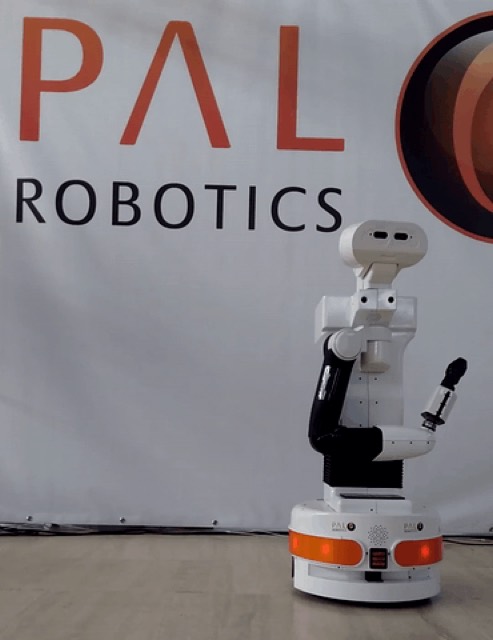 TIAGoPAL RoboticsIntel i5/i7 CPU options in onboard computer
PAL's onboard-computer specification names Intel i5 and i7 processors. PAL Robotics
- AdvantechCore processors integrated into humanoid computing supplier module · 2024-11
Advantech’s humanoid development application states that its SOM-6884 uses 13th-generation Intel Core processors. Advantech
Named in robots' parts lists
Quotes are from each robot's parts profile, which links its sources.
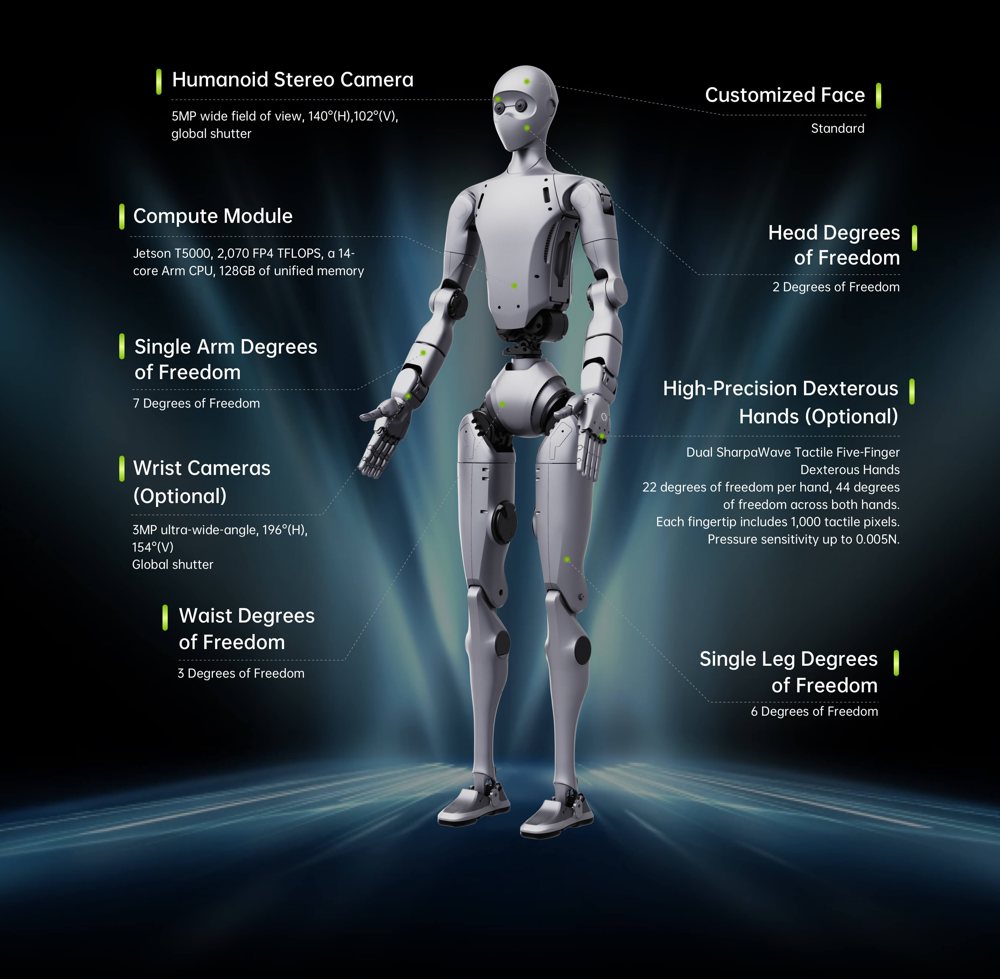 Unitree H2 Plus (NVIDIA Isaac GR00T Reference Humanoid)Unitree Robotics with NVIDIA · 2026Pilot use
“NVIDIA Jetson Thor T5000 (2,070 TFLOPS FP4, 14-core Arm Neoverse-V3AE, 128 GB) plus Intel Core i5 (platform) and Core i7 (user development) computers.”
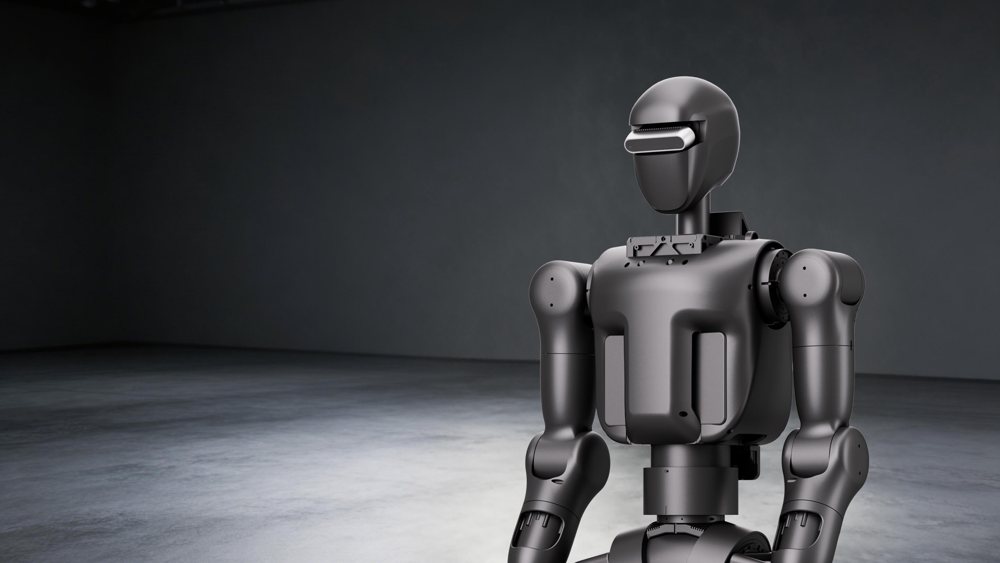 N1 (Nexus-01)Fourier · 2025Commercial
“Intel Core i7-13700H with 16 GB RAM and 512 GB NVMe, running Ubuntu 22.04.”
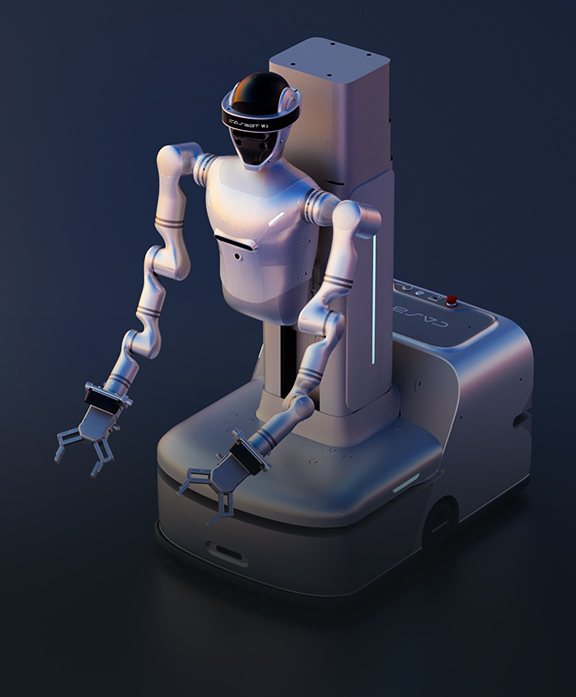 CASBOT W1CASBOT (Beijing Zhongke Huiling Robot Technology) · 2025Commercial
“Industrial PC with an Intel Core i9 CPU and NVIDIA RTX 4060 GPU, plus an RK3588 interaction module.”
- H2Unitree Robotics · 2025Commercial
“Intel Core i5 (PC1) standard, Intel Core i7 (PC2) on EDU;”
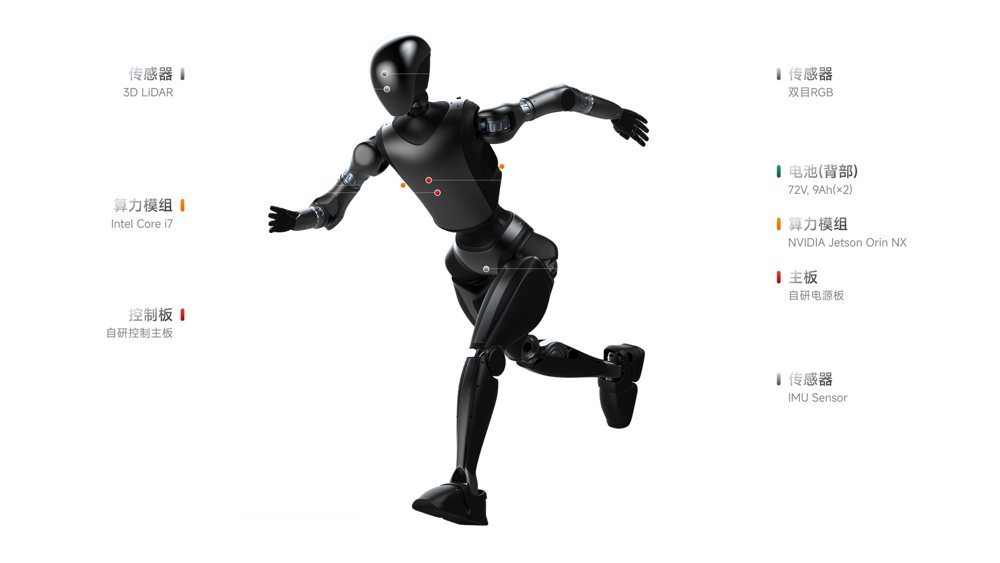 PHYBOT M1PHYBOT · 2025Prototype
“NVIDIA Jetson Orin plus an Intel Core i7.”
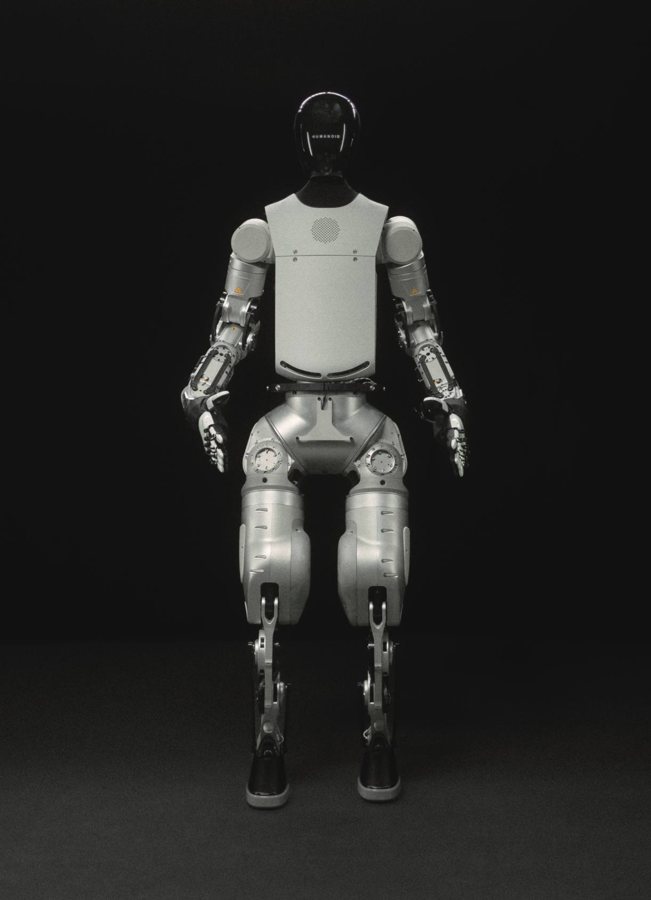 HMND 01 (bipedal Alpha)Humanoid (SKL Robotics Ltd) · 2025Prototype
“NVIDIA Jetson Orin AGX plus Intel i9 processors.”
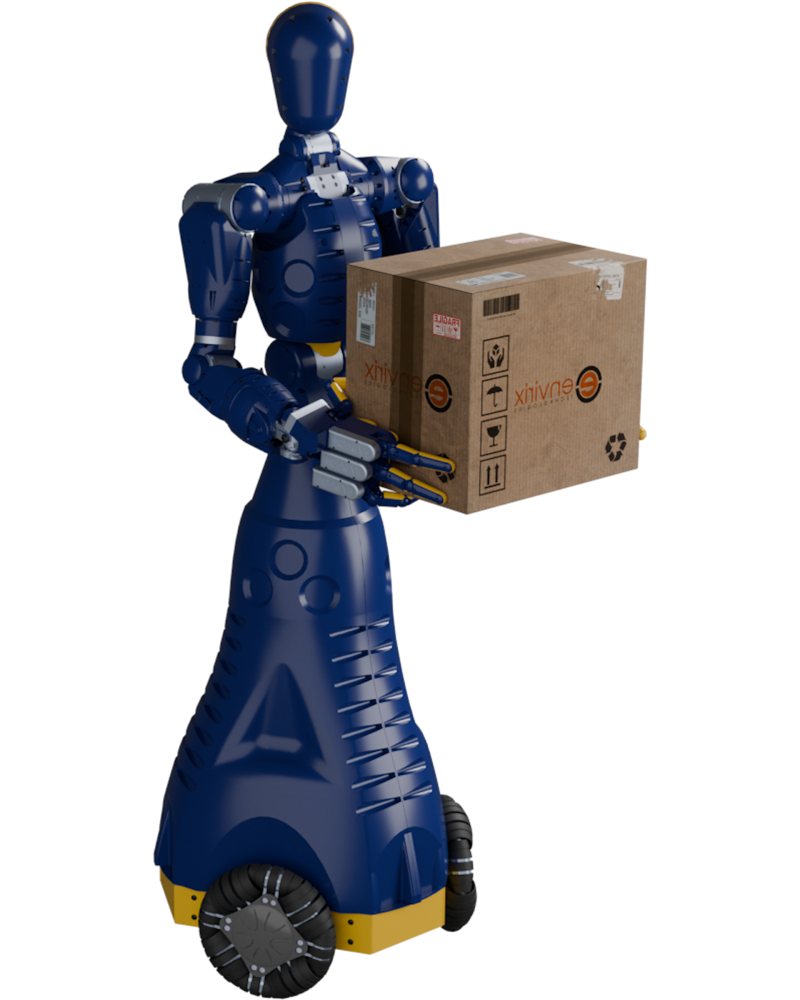 SyntroWorkFar · 2024Commercial
“Intel Core i5 multi-core computer running custom Linux with ROS 2.”
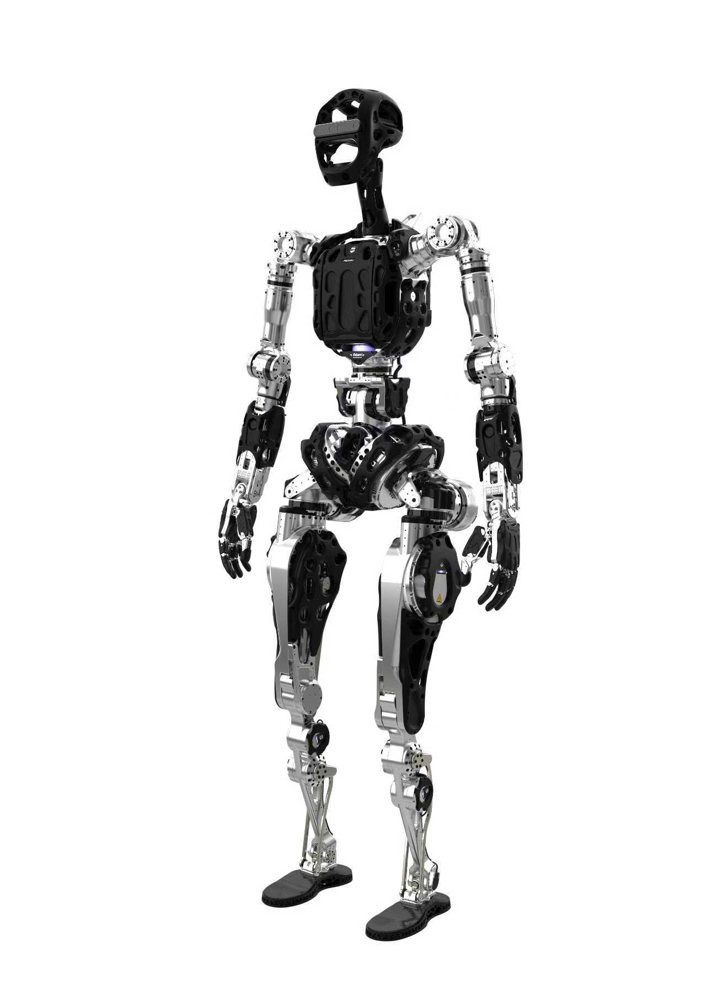 AdamPNDbotics · 2024Prototype
“Intel Core i7-based control unit on a real-time control network;”
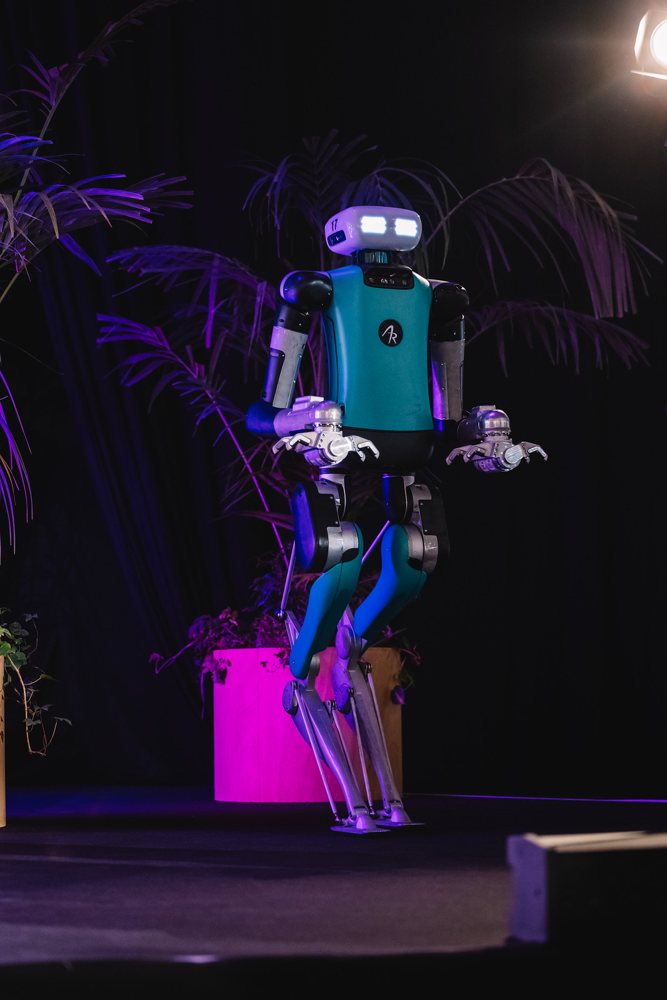 Digit (2023 commercial version)Agility Robotics · 2023Commercial
“Two Intel i7 CPUs plus a payload bay for a customer computer such as a Jetson.”
- H1Unitree Robotics · 2023Commercial
“Intel Core i5 for platform functions and Intel Core i7 for user development as standard;”
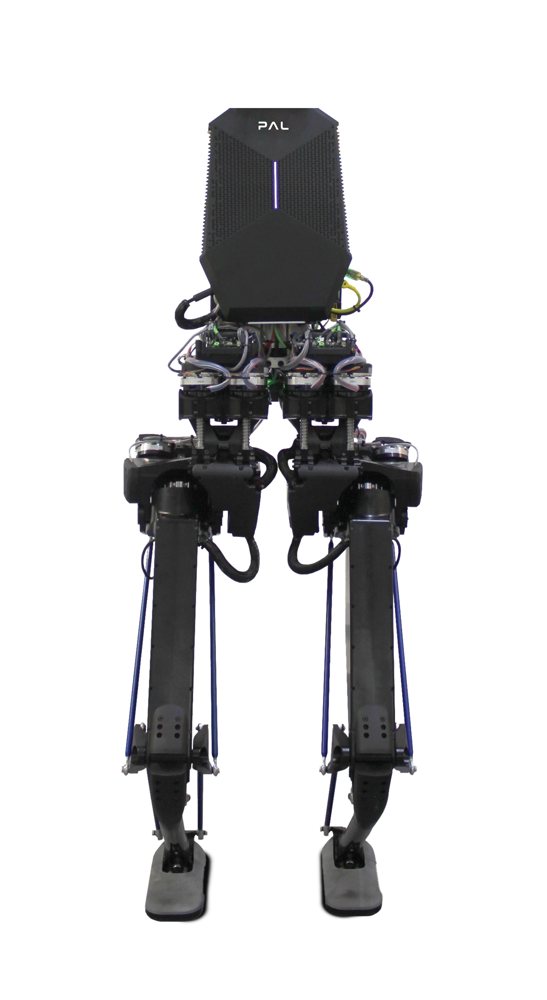 KangarooPAL Robotics · 2023Commercial
“Two Intel i7 PCs (control and multimedia, 32 GB RAM each);”
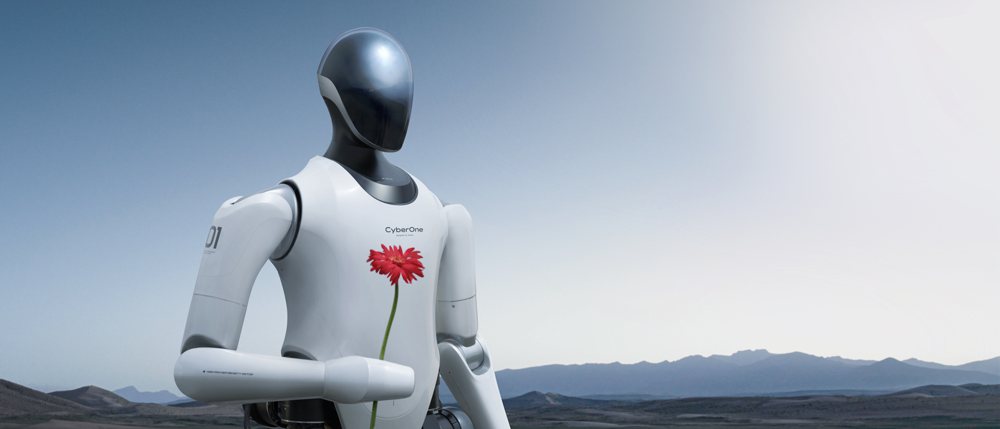 CyberOneXiaomi · 2022Prototype
“Two main computers with Intel i7 processors and NVIDIA Jetson Orin NX, plus DSP-based controllers on each joint.”
 Walker XUBTECH Robotics · 2021Commercial
“Two Intel i7-8665U processors and an NVIDIA GT1030 GPU.”
 Panda Robot (Youyou)UBTECH Robotics · 2021Commercial
“Two Intel i7-8665U processors and an NVIDIA GT1030 GPU.”
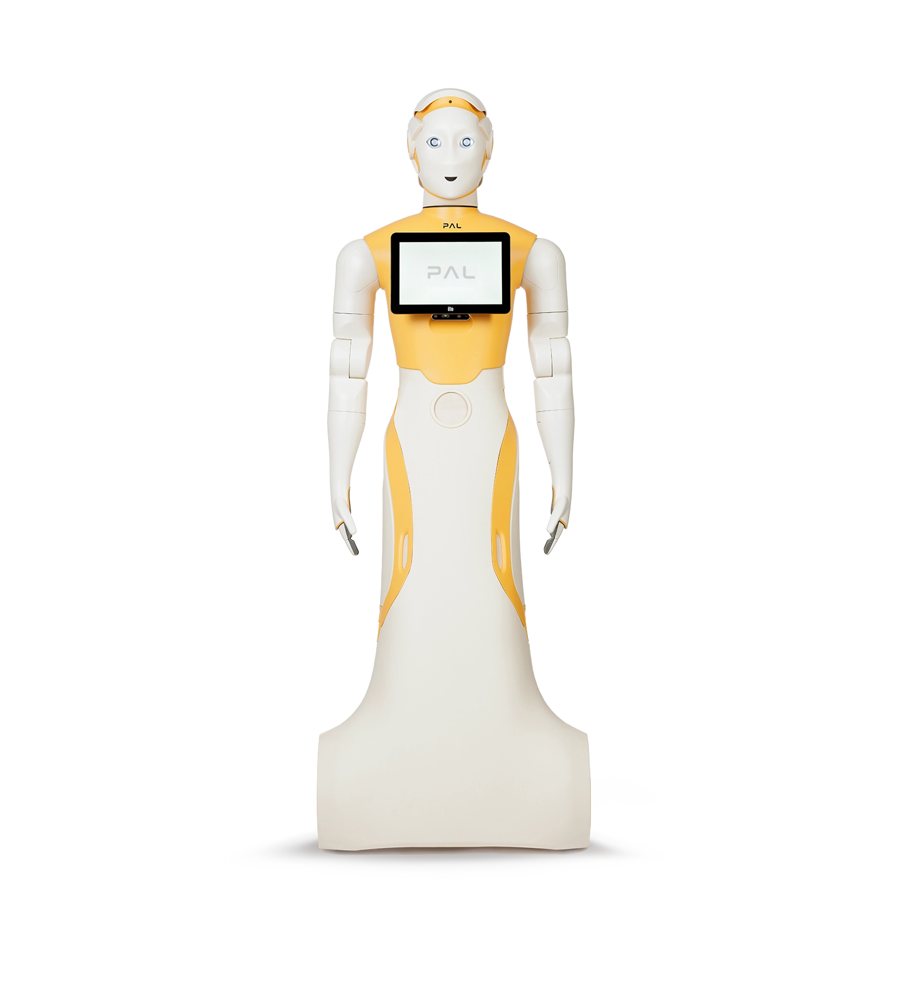 ARIPAL Robotics · 2020Commercial
“Intel i5, i7 or i9 CPU with 8-32 GB RAM;”
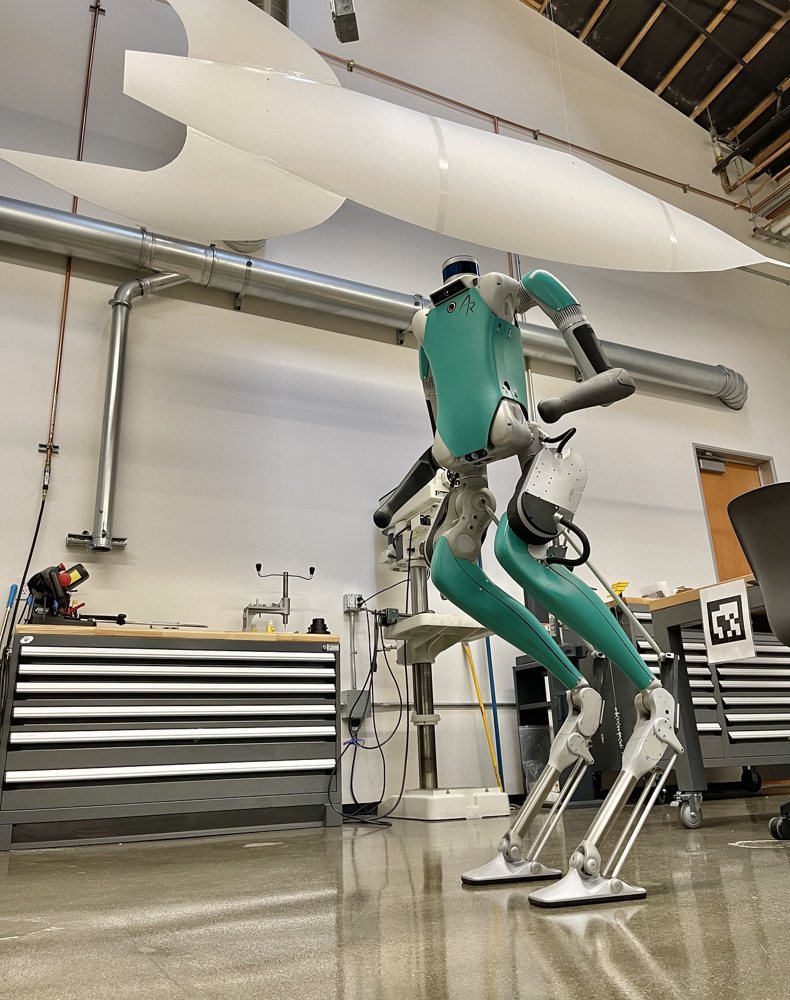 DigitAgility Robotics · 2019Commercial
“Two multi-core Intel i7 CPUs in the torso plus a payload bay for a third computer such as an Intel NUC or NVIDIA Jetson.”
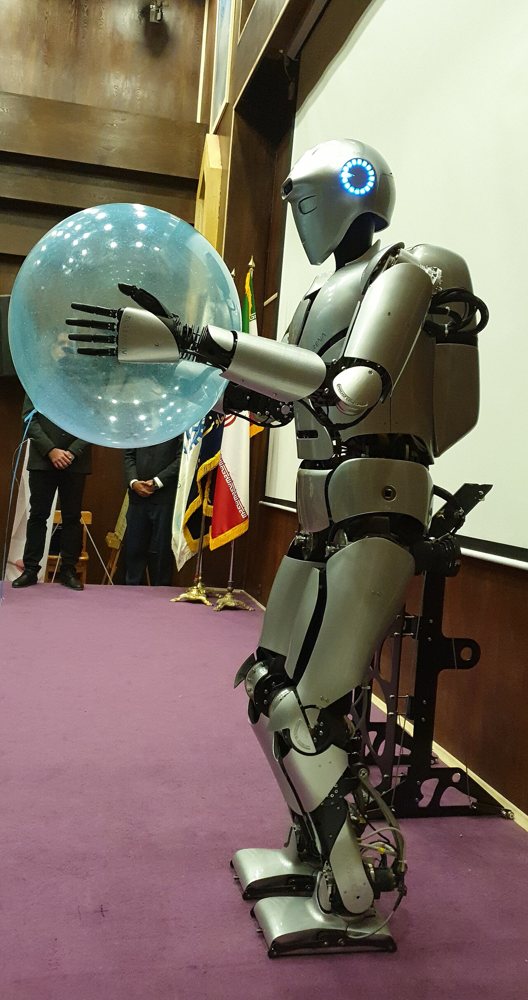 Surena 4University of Tehran, Center for Advanced Systems and Technologies (CAST) · 2019Research
“Intel Core i7 2.8 GHz CPU, NVIDIA GTX 1060 6 GB GPU, FPGA boards and microcontrollers;”
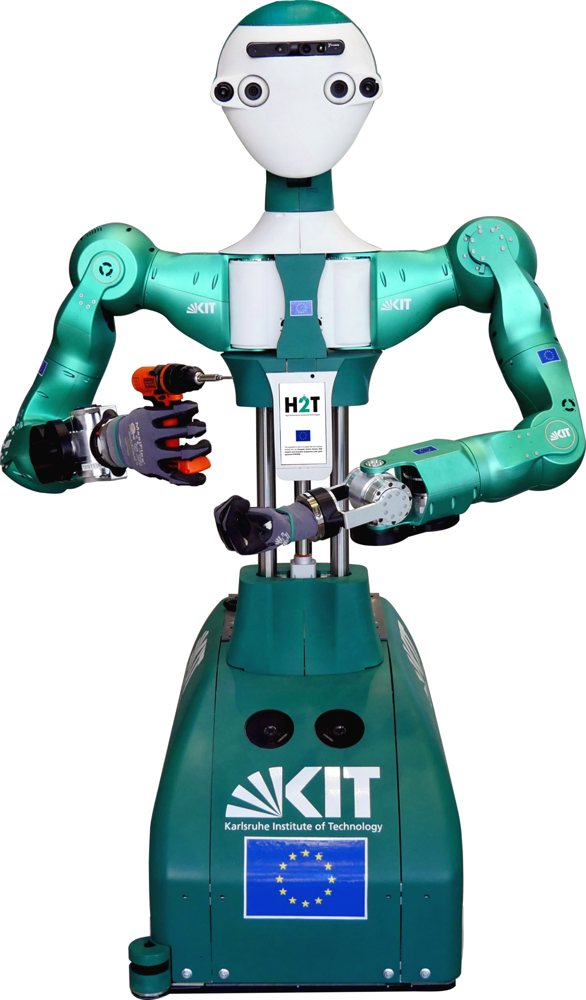 ARMAR-6Karlsruhe Institute of Technology (H2T) · 2018Research
“Four PCs, each with an Intel Core i7-6700 and 32 GB RAM, plus an NVIDIA GeForce GTX 1080 GPU.”
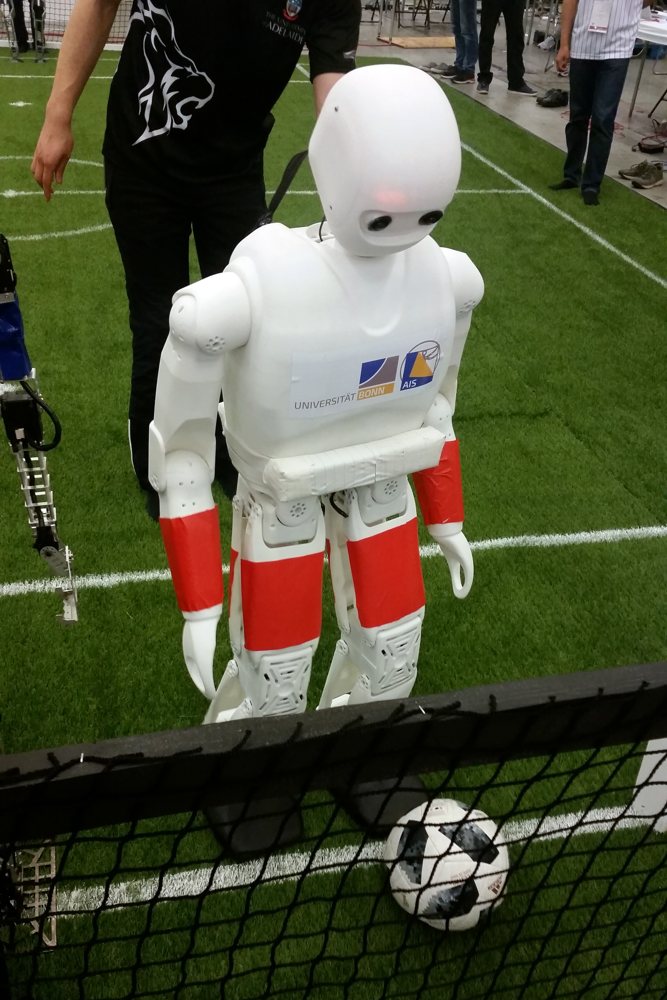 NimbRo-OP2XUniversity of Bonn (Autonomous Intelligent Systems group) · 2018Research
“Mini-ITX PC with Intel Core i7-8700T and NVIDIA GTX 1050 Ti GPU (768 CUDA cores), 4 GB RAM, 120 GB SSD;”
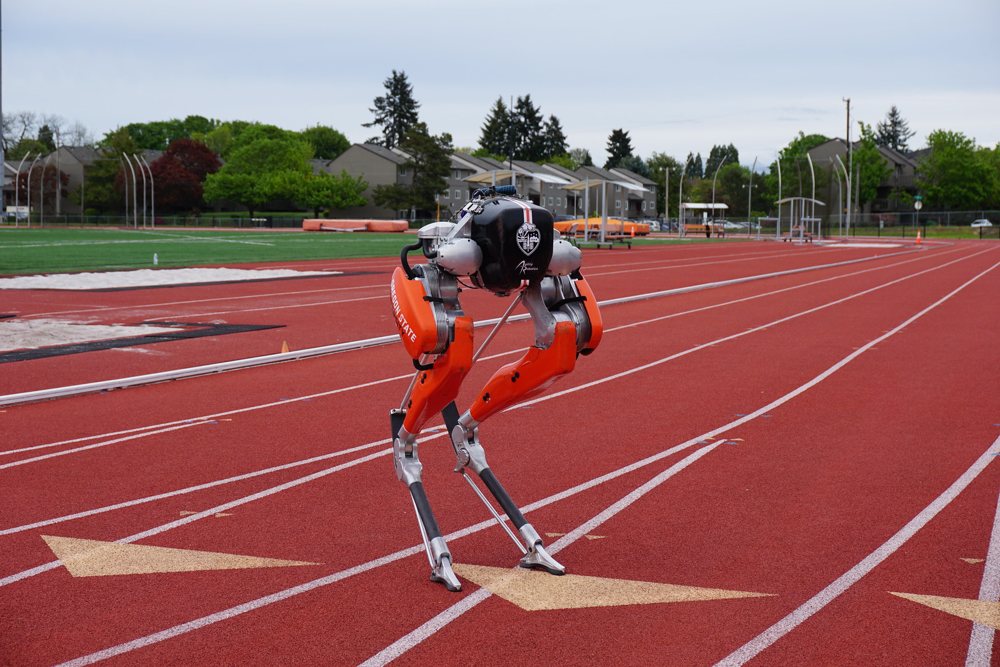 CassieAgility Robotics (Oregon State University spin-off) · 2017Discontinued
“Intel Atom real-time control computer, microcontroller boards in each limb, and a spare Intel NUC i5 for customer software.”
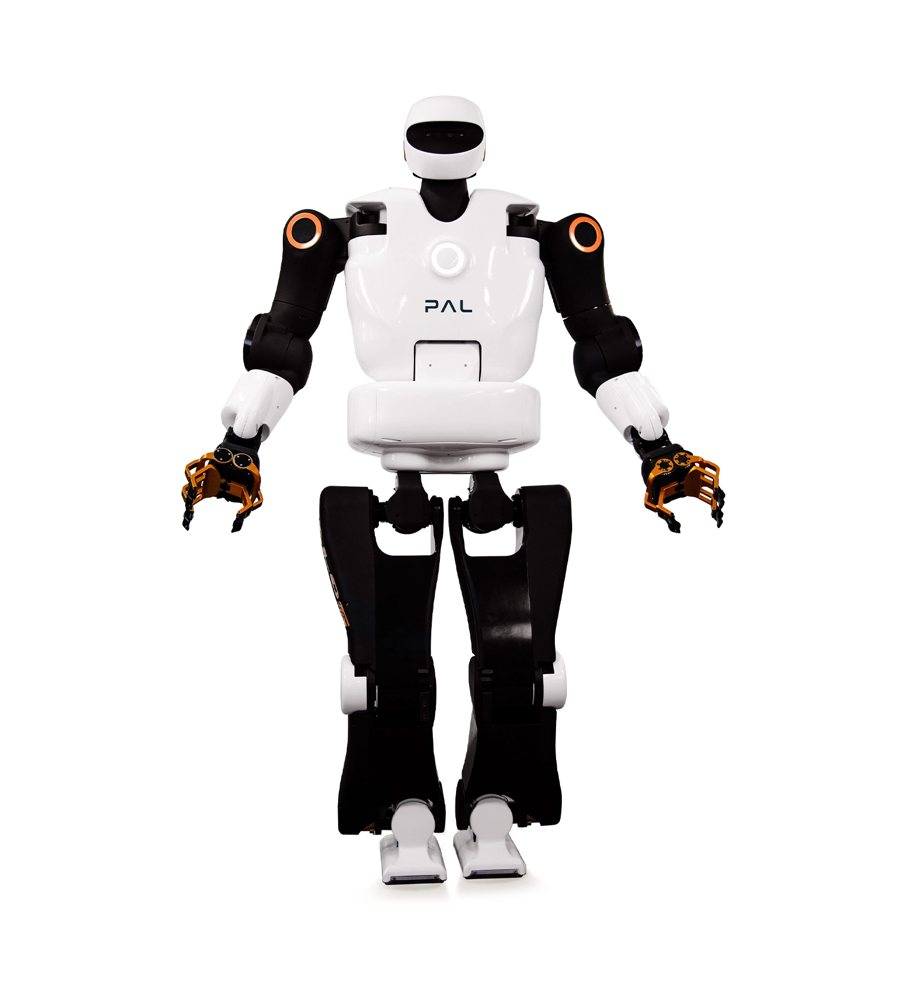 TALOSPAL Robotics · 2017Commercial
“Two Intel Core i7 computers;”
- No public photo yetWe only show photos we're allowed to useE2-DRHonda R&D · 2017Prototype
“Intel Core i7 CPU plus a discrete GPU;”
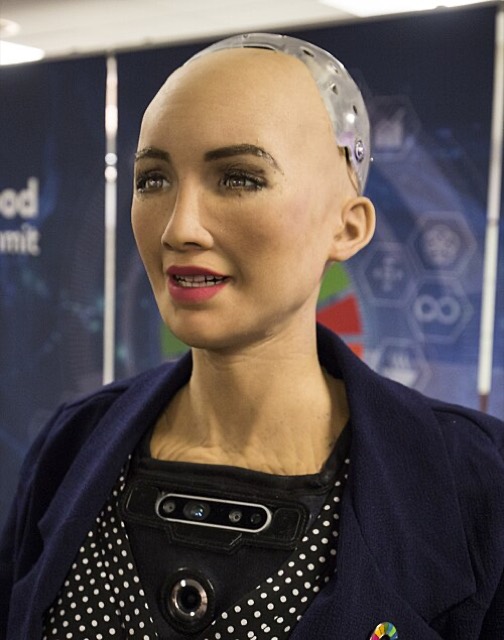 SophiaHanson Robotics · 2016Research
“3 GHz Intel Core i7 with 32 GB RAM and integrated GPU.”
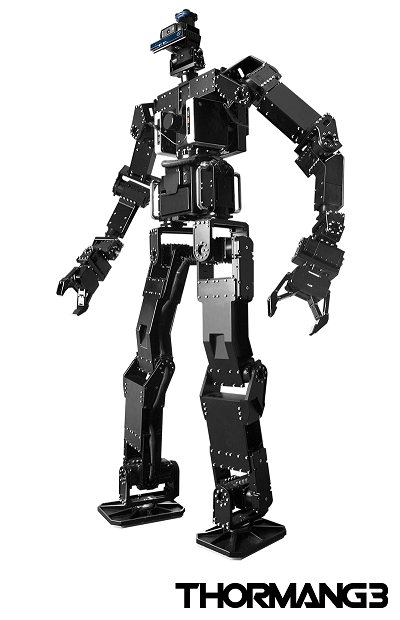 THORMANG3ROBOTIS · 2016Commercial
“Two Intel NUC computers with Core i5, 8 GB RAM and 128 GB SSD each;”
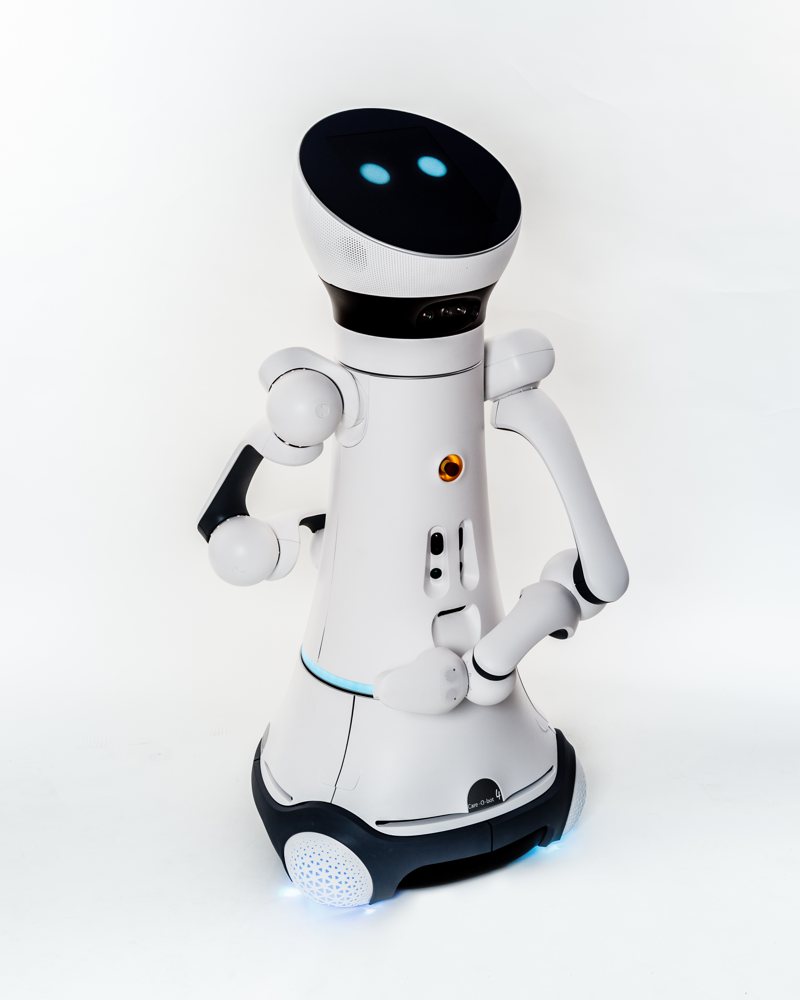 Care-O-bot 4Fraunhofer IPA and Mojin Robotics · 2015Commercial
“4 to 6 Intel NUC i5 computers (8 GB RAM, 256 GB each) distributed through base, torso, head and sensor ring;”
- TIAGoPAL Robotics · 2015Commercial
“Intel i5 (8 GB RAM, 250 GB SSD) standard or Intel i7 (16 GB, 500 GB SSD) upgrade;”
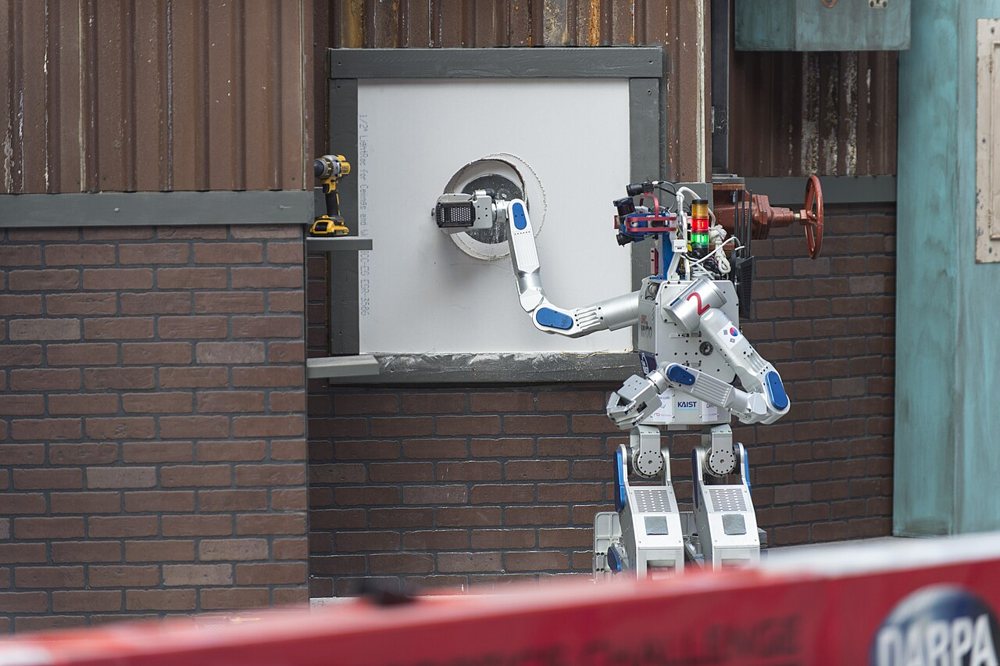 DRC-HUBOKAIST (Team KAIST) with Rainbow Robotics · 2015Retired
“Intel NUC PC for head sensing and motion.”
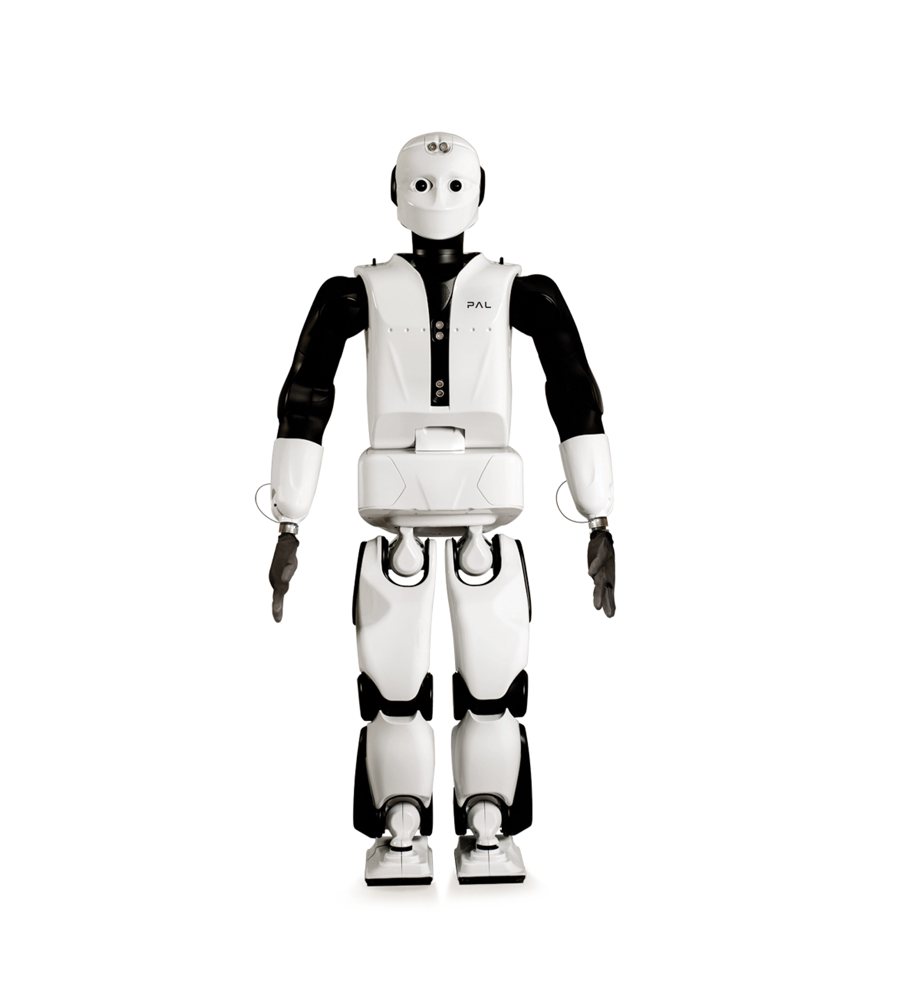 REEM-CPAL Robotics · 2013Commercial
“Two Intel Core i7-2710QE computers at 2.10 GHz, each with 4 GB RAM and a 60 GB SSD (PAL Robotics, 2013).”
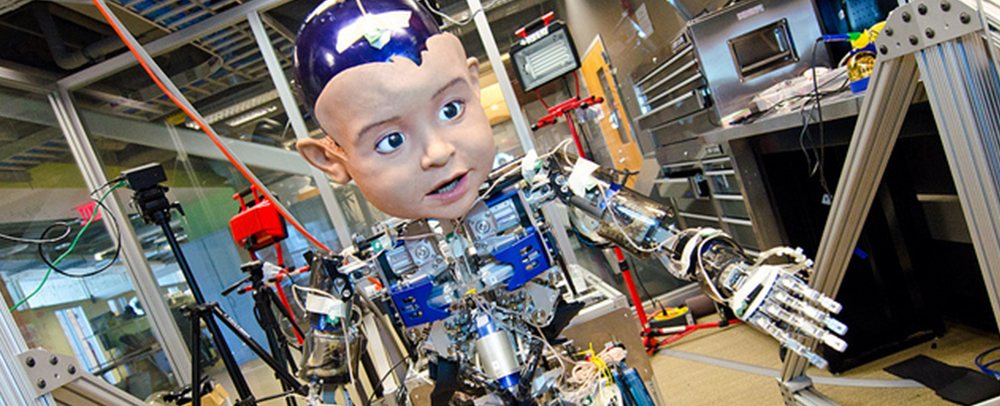 Diego-sanUC San Diego Machine Perception Lab with Kokoro and Hanson Robotics · 2013Discontinued
“12-core 2.8 GHz Intel Xeon computer with a National Instruments data-acquisition system linking sensors and valves.”
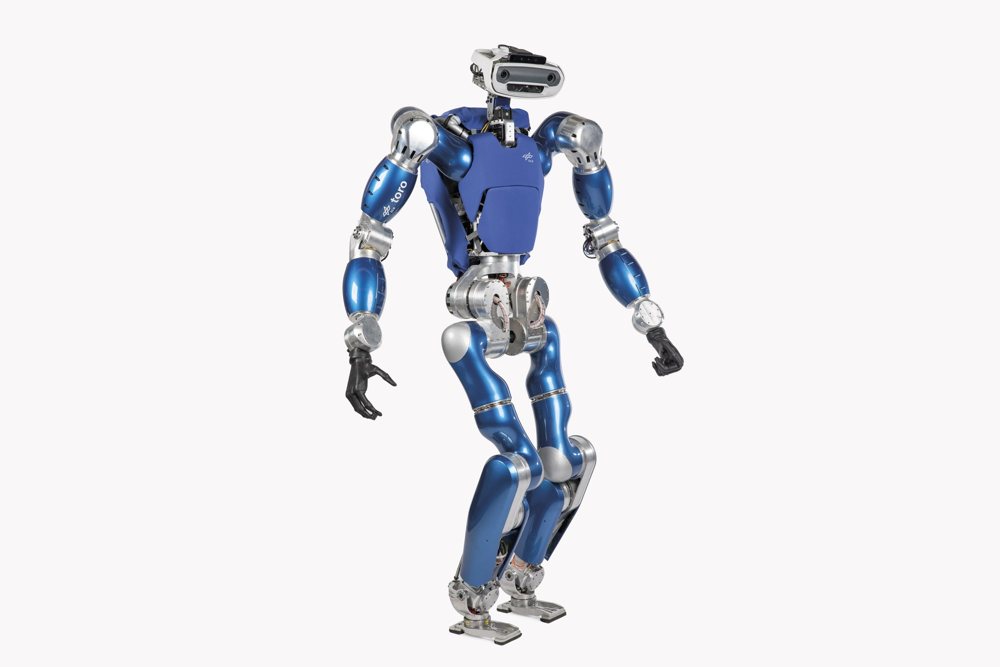 TOROGerman Aerospace Center (DLR) · 2013Research
“Two Intel Core i7 computers in the torso and one Core i3 in the head.”
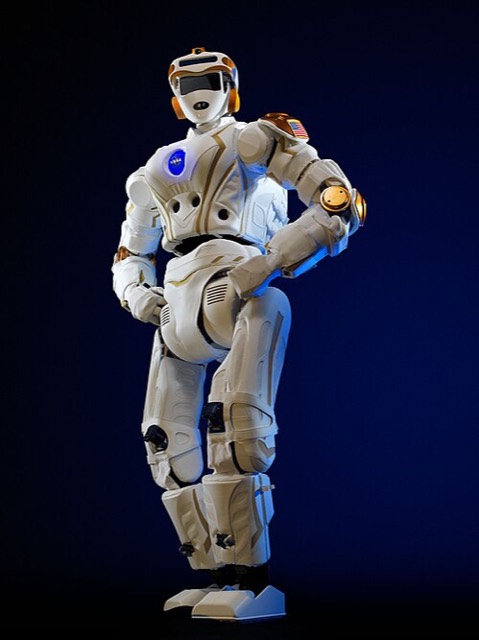 Valkyrie (R5)NASA Johnson Space Center · 2013Research
“Two Intel Core i7 processors on board (NASA, 2015).”
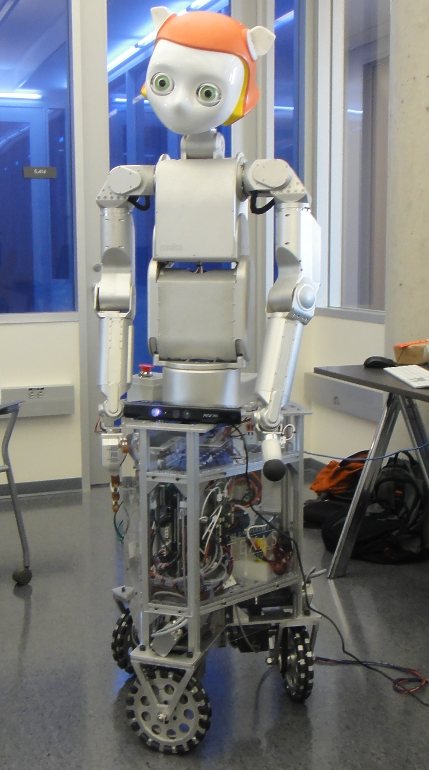 DreamerUniversity of Texas at Austin and Meka Robotics · 2012Retired
“Intel Core i5 computer;”
- No public photo yetWe only show photos we're allowed to useFLASHWroclaw University of Technology (Jan Kedzierski) · 2012Discontinued
“microATX board with an Intel i7 quad-core CPU, plus a Freescale PowerPC MPC555 controller.”
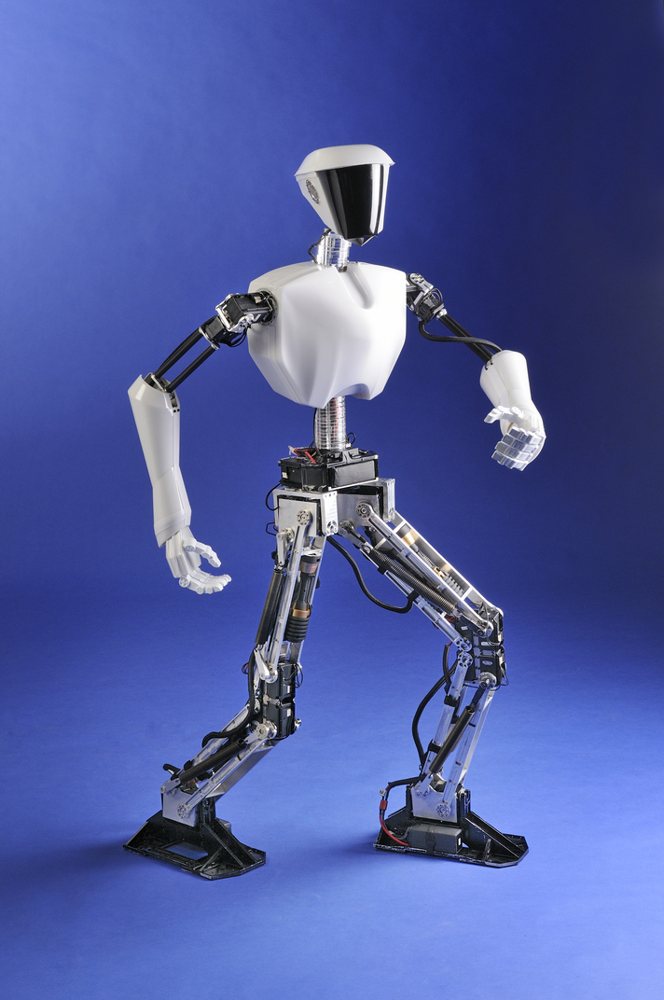 CHARLIRoMeLa (Robotics & Mechanisms Laboratory) · 2011Retired
“Single-board computer with 1.6 GHz Intel Atom.”
- No public photo yetWe only show photos we're allowed to useKIBOKorea Institute of Science and Technology (KIST) · 2011Research
“Intel Core2 embedded PC.”
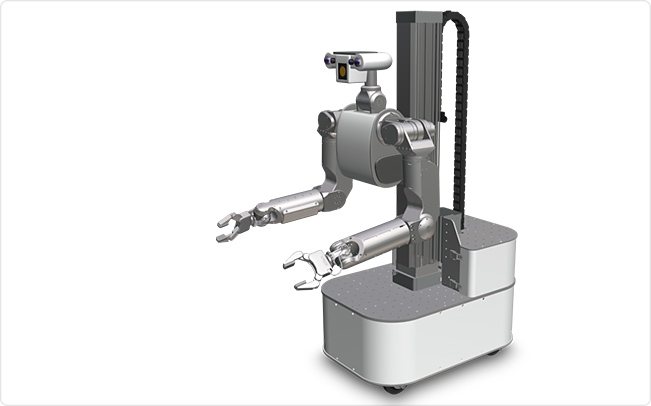 M1 Mobile ManipulatorMeka Robotics · 2011Discontinued
“Three 2.5 GHz Intel Core2 Duo processors on board.”
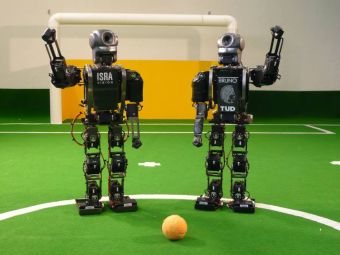 BrunoTU Darmstadt (Darmstadt Dribblers) and Hajime Research Institute · 2010Retired
“CompuLab fit-PC2 with a 1.6 GHz Intel Atom plus a Renesas SuperH 7211 microcontroller.”
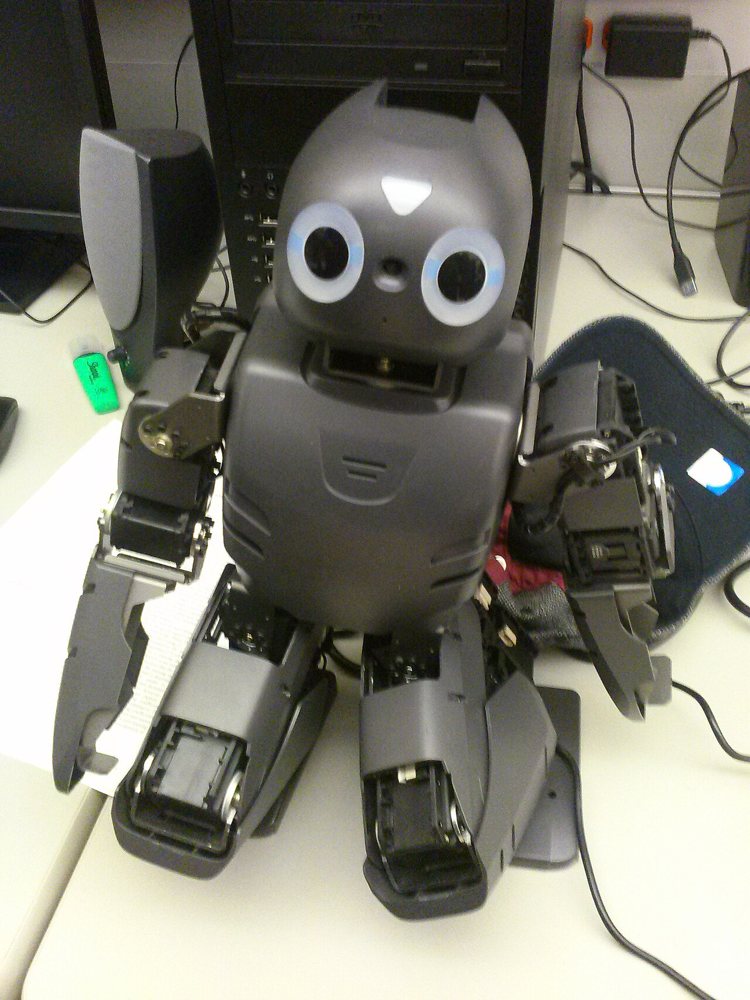 DARwIn-OPROBOTIS (with Virginia Tech, University of Pennsylvania and Purdue University) · 2010Discontinued
“1.6 GHz Intel Atom main computer plus a 72 MHz ARM Cortex-M3 sub-controller;”
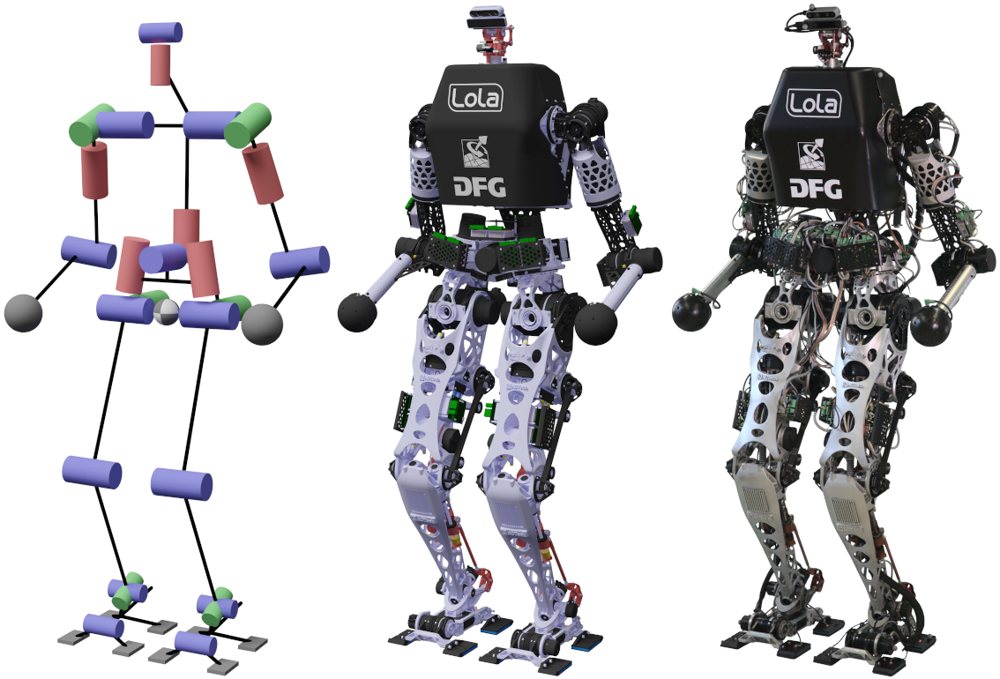 LOLATechnical University of Munich · 2010Research
“Two mini-ITX industrial boards, each with an Intel Core i7-8700 and 32 GB RAM, an NVIDIA Quadro P2000 GPU, an ELMO servo controller per joint and an EtherCAT bus.”
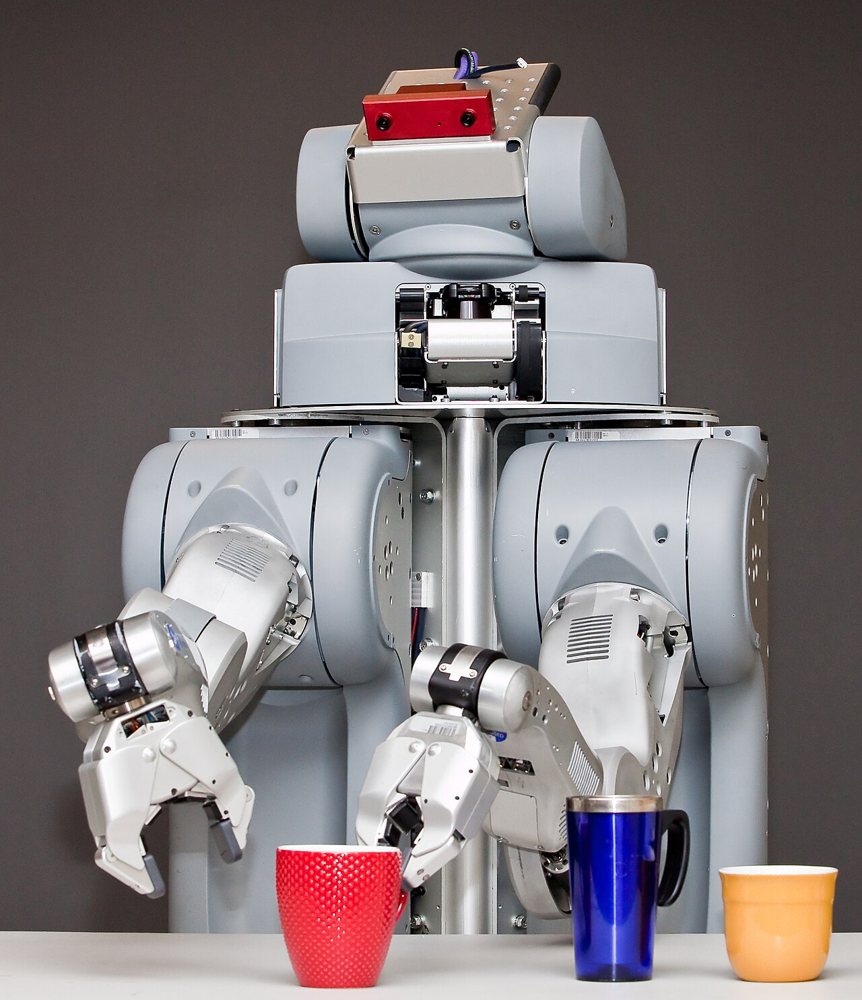 PR2Willow Garage · 2010Discontinued
“Two quad-core Intel i7 Xeon processors, 24 GB RAM, 500 GB internal and 1.5 TB removable drives.”
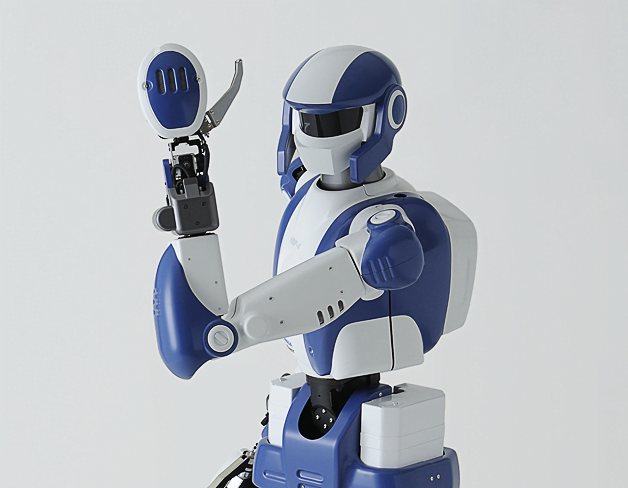 HRP-4Kawada Industries and AIST · 2010Discontinued
“PC/104 Pentium M computer with Wi-Fi;”
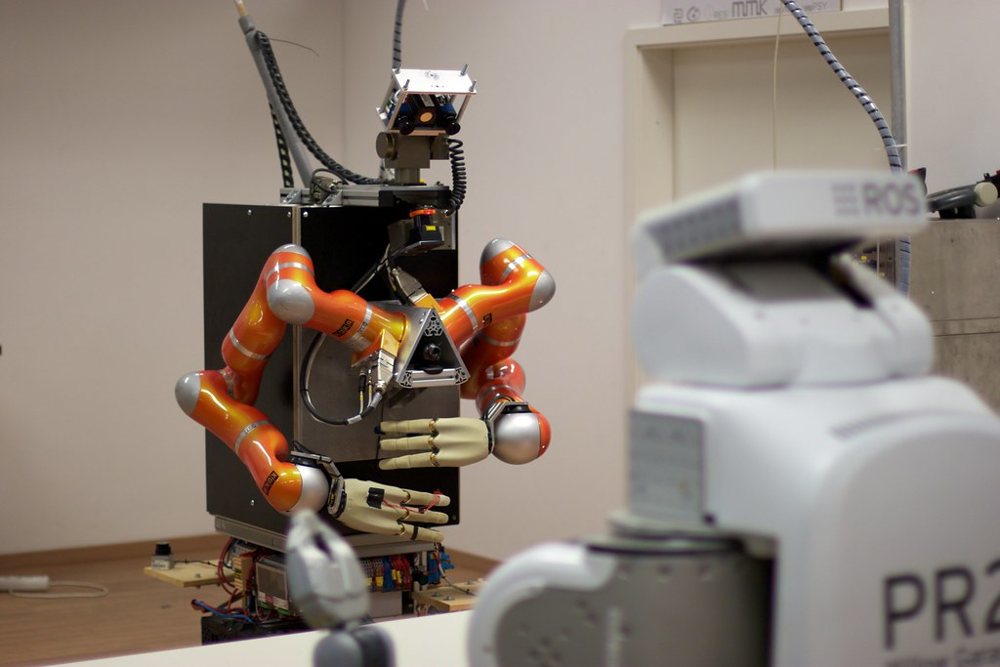 RosieTechnical University of Munich · 2009Retired
“Two PCs, each with two Intel Xeon 2.4 GHz CPUs and 12 GB RAM.”
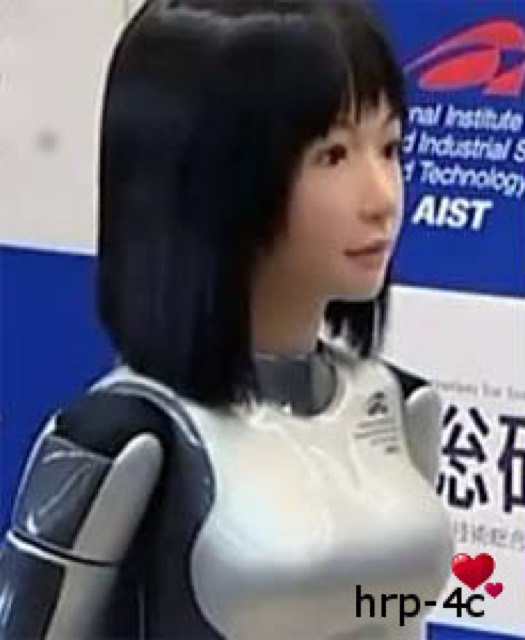 HRP-4CAIST · 2009Retired
“Intel Pentium M 1.6 GHz with wireless networking;”
- No public photo yetWe only show photos we're allowed to usePR1 (Personal Robot One)Stanford Personal Robotics Program (Keenan Wyrobek, Eric Berger) · 2008Retired
“Two Pentium M small-form-factor computers on board.”
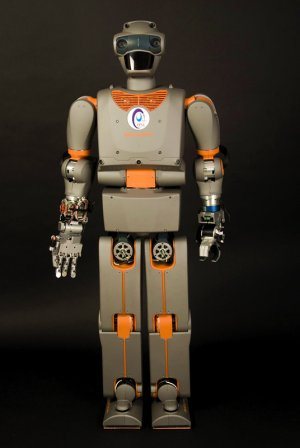 REEM-BPAL Robotics · 2008Retired
“Two main computers, one real-time for control and one for multimedia (Gulf News): an Intel Core 2 Duo at 1.66 GHz plus an AMD Geode at 500 MHz.”
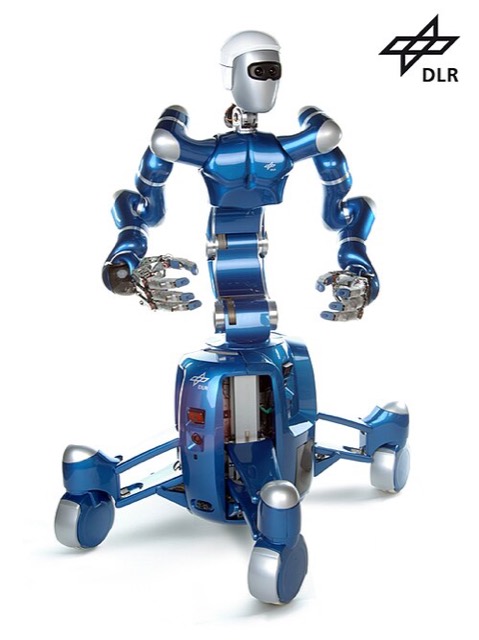 Rollin' JustinGerman Aerospace Center (DLR) · 2008Research
“Four Mini-ITX boards with Intel Core i7 quad-core processors.”
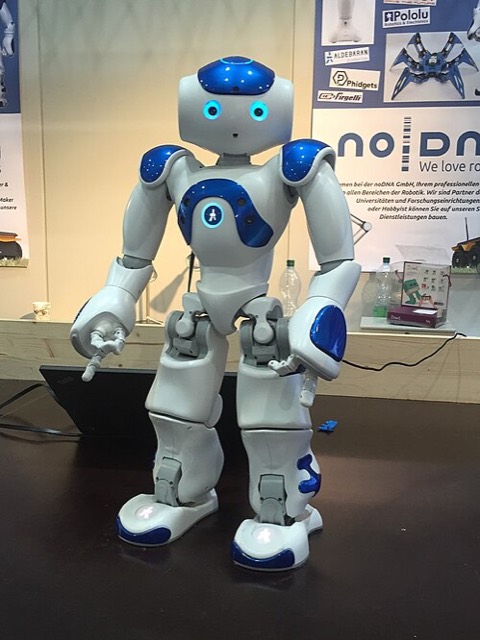 NAOAldebaran Robotics · 2007Commercial
“AMD Geode 500 MHz (2008), Intel Atom Z530 1.6 GHz (2009 onwards), Intel Atom E3845 quad-core 1.91 GHz with 4 GB RAM and 32 GB SSD (NAO6, 2018).”
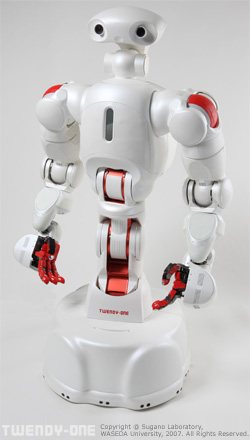 TWENDY-ONEWaseda University (Shigeki Sugano lab) · 2007Research
“Seven Pentium processors on board.”
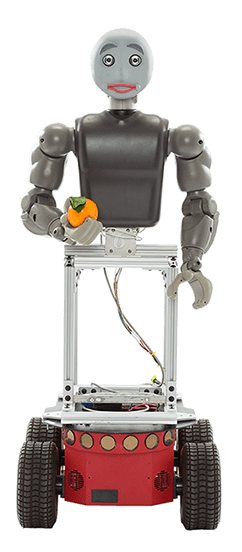 BanditUSC Interaction Lab and BlueSky Robotics · 2006Research
“Intel Core 2 Duo mini PC on board.”
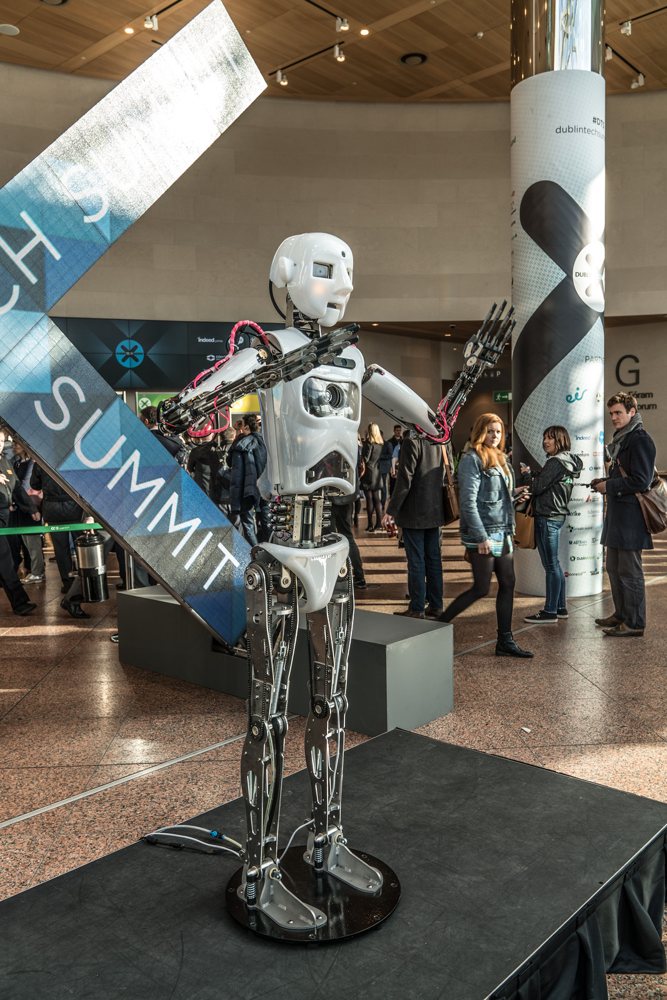 RoboThespianEngineered Arts · 2005Commercial
“an external Intel Core i7 control unit.”
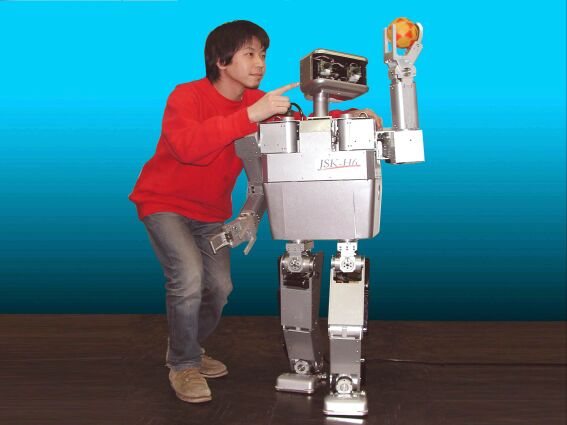 H6University of Tokyo JSK Lab, built by Kawada Industries · 2000Retired
“On-board PC with dual Pentium III 750 MHz processors;”
Sources
Where each fact on this page comes from.
Statistics only, not advice. No affiliation, sponsorship or endorsement. How we work · Terms